


The 24th edition of Open Roads: New Italian Cinema — promoted by Film at Lincoln Center and Cinecittà, and scheduled from May 29th to June 5th — kicks off with the screening of Il Tempo Che Ci Vuole (The Time It Takes) by Francesca Comencini. Before landing at the Walter Reade Theatre, the picture premiered at the 81st Venice International Film Festival in the Out of Competition category.
This motion picture encapsulates the craft of a cinematic dynasty that goes by the name of Comencini. In Italy, Luigi Comencini immortalised through film the evolution of Italy from the post-war period onwards, crossing many cinematographic genres. The world of childhood was the leitmotiv running through his filmography, starting with his short film Bambini in città (Children in Cities), awarded with a special mention by the jury at the Venice Film Festival and with the Nastro d’Argento in 1947 for Best Documentary — bestowed by the Italian National Union of Film Journalists. Many of his prominent works covered this topic and his four daughters all followed in his footsteps, by choosing the film industry as their profession: Paola as set designer, Eleonora as production manager, and Cristina and Francesca as film directors. The latter and youngest is the one who recently tributed her father-director with Il Tempo Che Ci Vuole (The Time It Takes).
This movie is not an actual biopic, since it shows the father-daughter relationship as if Francesca were an only child, and we are not given to know what is autobiographical and what is the result of poetic license. However, in this personal story one can find moments and remembrances of things past, that Francesca undoubtably experienced growing around her dad’s sets. The film — starring Fabrizio Gifuni and Romana Maggiora Vergano — comes across as a parable of the relationship between a father and a daughter, which evolves from childhood to the girl’s adulthood. The father’s work on set alternates with his paternal duty, reading Pinocchio or advocating for children’s rights in Rome’s French school. The parental role is also analysed during the daughter’s rebellious adolescence, in the time of the Years of Lead, as we witness the young woman’s perdition and rebirth. And if one may wonder how long the inner journey of reconnaissance may last, the answer is…the time it takes.
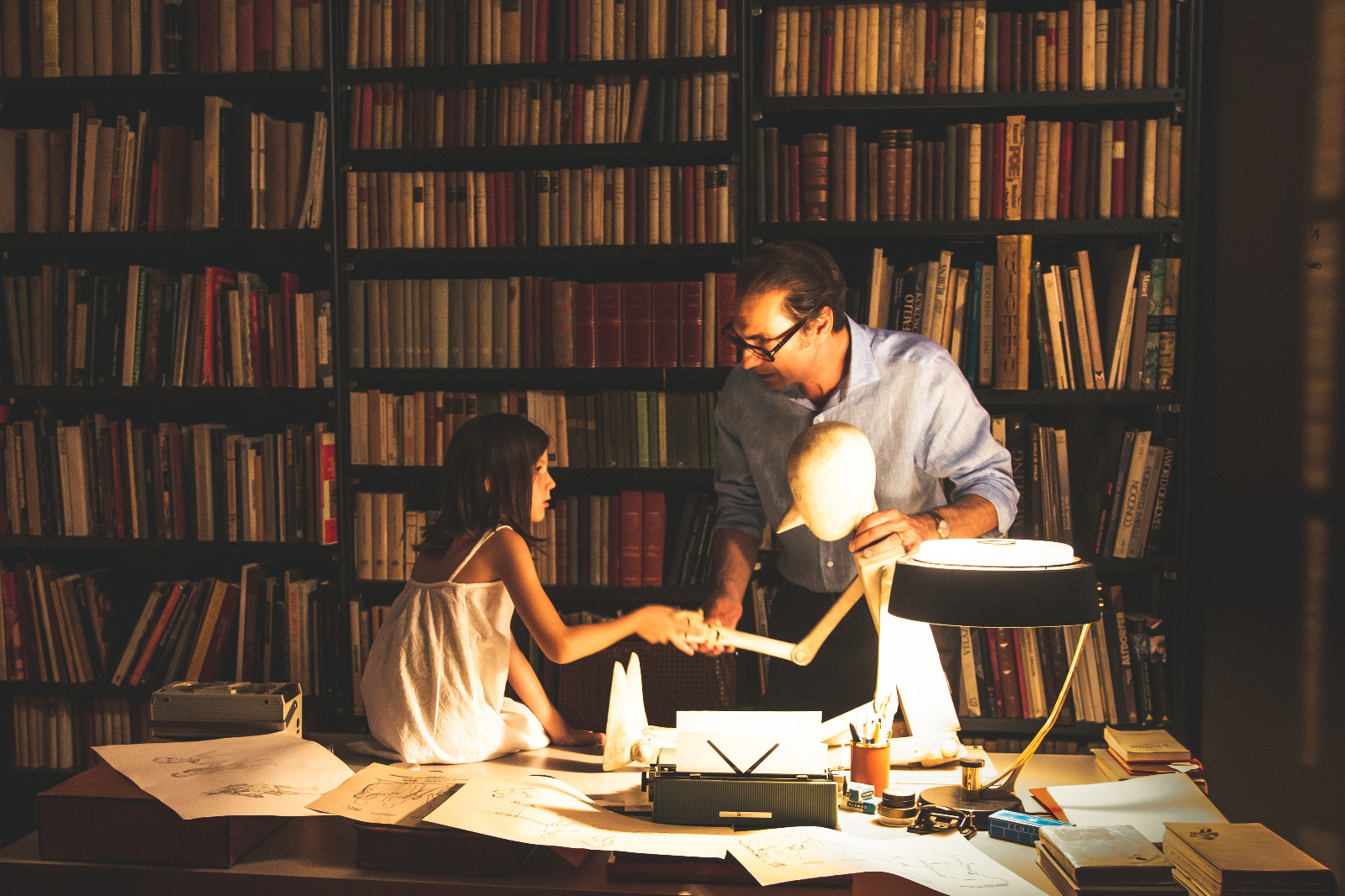
Amongst the producers of the film there is also Sylvie Pialat, who has socially impactful films in her roster, such as Ladj Ly’s Les Misérables and Pablo Berger’s animated Robot Dreams and who also co-wrote several films directed by her husband, Maurice Pialat. In the case of Il Tempo Che Ci Vuole (The Time It Takes) the theme is equally poignant and provoking, as cinema becomes the shared craft of a father and daughter to dissect fragility, failure, inadequacy, and eventually transform pain into art.
As a matter of fact, the latest work by Francesca Comencini echoes her debut feature, PianoForte, that won the De Sica Award at the Venice Film Festival in 1984. Her first film was based on her own experiences of addiction, the same ones that we witness in the adolescent daughter of Il Tempo Che Ci Vuole. The personal drama becomes a narrative device to explore the human being within its historical context, since Francesca Comencini’s filmography is always focused on a thorough investigation of the social fabric of her characters.
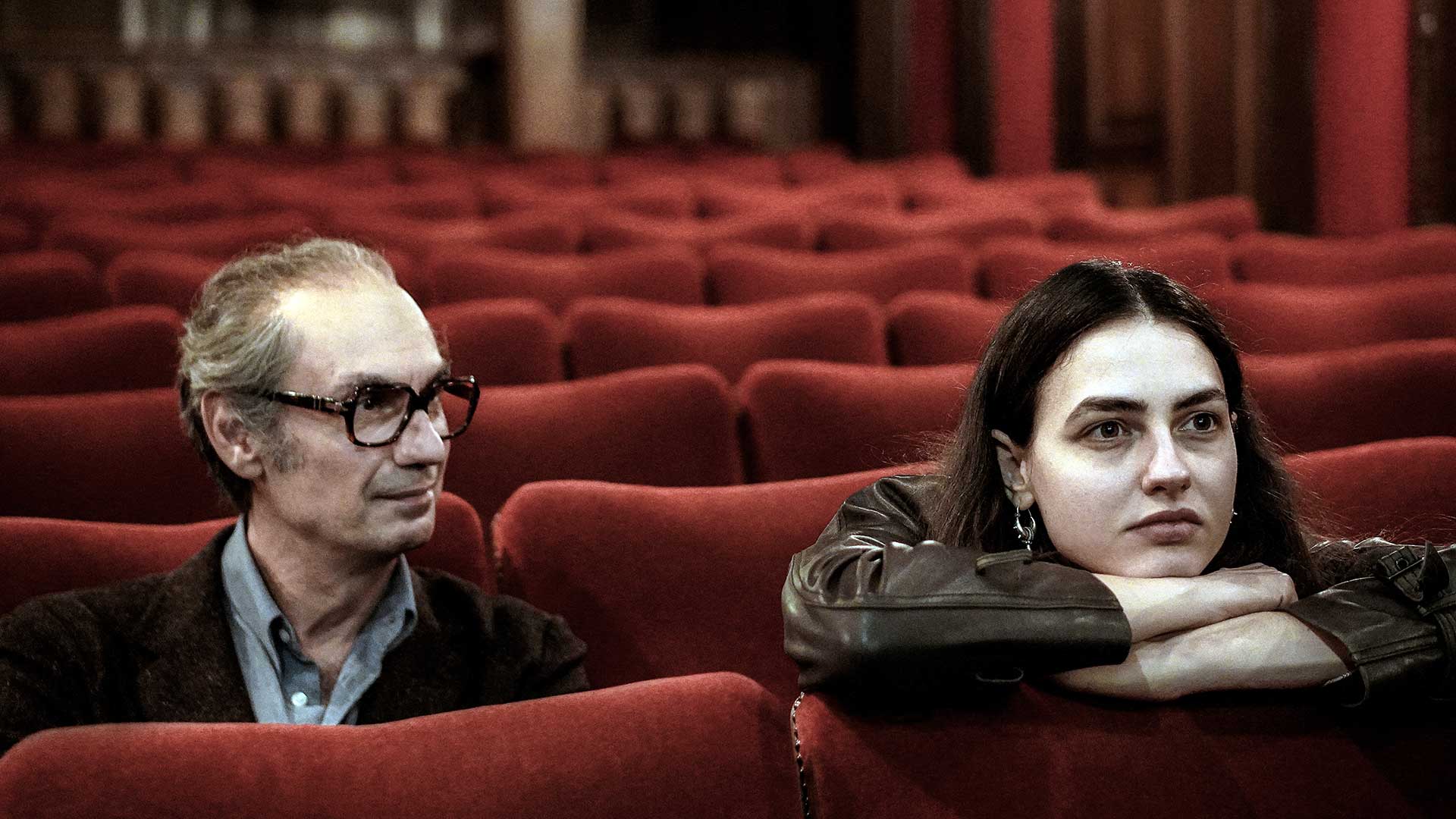
The coup de grâce of The Time It Takes is that in the closing credits you can enjoy a series of silent films saved by Luigi Comencini, which were donated to the Cineteca di Milano, of which he was a co-founder (together with Mario Ferrari, Alberto Lattuada, Luigi Rognoni).
Francesca Comencini’s sharp directorial style celebrates the way she and her family have chosen cinema as a way of life, through a hymn of love towards her father that is sung through their mutual language, that of moving pictures.
Final Grade: A