

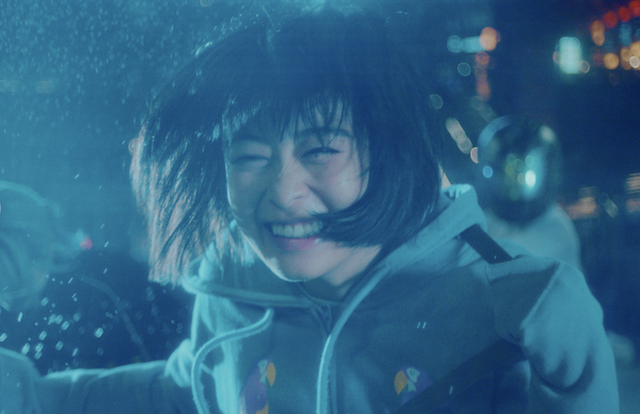
The reckless freedom and quiet desperation that drive the lives of struggling young adults often seem captivating to them. But the dire consequences that arise when those elements collide drive the new visceral coming-of-age film, Burn.
Teen characters who are adrift on the margins of society, where belonging is fleeting and survival demands reinvention, give the movie an unflinching emotional core. The story examines how easily sanctuary can become confinement. The narrative also highlights what it costs to reclaim agency in a world built to consume the vulnerable.
Sundance Film Festival-award winning filmmaker, Makoto Nagahisa, wrote and directed Burn. Actress Nana Mori plays the lead role of Ju-Ju in the drama.
Burn follows Ju-Ju, a runaway teen who’s searching for connection and purpose in a world that seems both alluring and unforgiving. A tribe of misfit youths on the fringes of society in Kabukicho begin to embrace her in what begins as an intoxicating escape.
But that changes when Ju-Ju seemingly happy existence slowly mutates into a more harrowing journey of betrayal, an identity crisis and a fight for survival. Her growing sense of despair twists her haven into a prison, and she’s left with one way to take back control.
The movie’s narrative and character developments feature an extreme juxtaposition of radiance and dread. For his latest feature, Nagahisa followed in the footsteps of his coming-of-age comedy-drama, We Are Little Zombies.
That project’s formula proved to successful with audiences when it played at Sundance in 2019. The film it won the the World Cinema Dramatic Special Jury Award for Originality at the festival.
Much like with its predecessor, the scribe-helmer infused his signature hypervibrance and unique character direction into his latest narrative. Both movies radiantly explore how characters create their own communities when traditional family ties or social support are absent. The protagonists especially look to make new friends who accept them when they try to express themselves and reclaim emotional agency.
Mori bravely embodies Ju-Ju, wavering between the embrace of a decadent Tokyo street-kid culture and the call of her ambition to become considered a savior. To highlight the heroine’s internal struggle of which life to lead, Nagahisa crafted a twisted labyrinth in an urban world that’s both corrupt and alluring. Mori effortlessly brought Ju-Ju’s struggle in that maze to the screen.
Throughout Burn, Mori anchors the story with a fearless performance as Ju-Ju. The performance captures both her vulnerability and fierce drive of self-determination. Her dynamic with the ensemble cast forms the emotional core of the film. Each fringe figure Ju-Ju encounters feels lived-in and unpredictable, mirroring the chaotic energy of the city streets they inhabit.
Nagahisa’s direction is bold and sensory, blending pop-culture vibrancy with gritty realism. The film’s visual palette balances dazzling color and oppressive shadows, which emphasizes the emotional volatility of youth on the edge. Although the movie embraces its vibrant aesthetics, it never loses its gritty undertones.
Narratively, the drama thrives on not providing straightforward answers. Betrayal and despair drive the characters’ layered motivations, which provides provide a raw and immersive quality for the movie.
At its core, Burn is a meditation on belonging and autonomy. The movie also studies the effects of flickering hope in environments built on exploitation and fleeting alliances. What makes the film compelling isn’t only the arc of Ju-Ju’s survival; the narrative also thrives on its ability to reflect on broader questions about youth culture and their desire for connection.
Burn thrives on being a visceral experience that grips through both visual bravura and emotional honesty. It marks a significant statement from Nagahisa, reinforcing his reputation for combining formal inventiveness with empathetic storytelling.
A one-of-a-kind, energetic approach to generational trauma and youth culture, Burn is both challenging, and rewarding to experience. The feature proves to be a vibrant, unnerving coming-of-age drama that lingers long after the credits roll.
Overall: A-
Burn premiered in the NEXT section of this year’s Sundance Film Festival tonight, Sunday, January 25, 2026 at the Library Center Theatre in Park City.
If you like the review, share your thoughts below!