

©Courtesy of Netflix
Q : When you decide to tackle 100 year anniversary of New Yorker, how did you map out what to cover? Because you can dig into the history, staff and editor, but you really capture the significant moments of the history of New Yorker, such as like a John Hersey piece or Rachel Carson piece or James Baldwin piece. So talk about how you map out in your head. Because it’s such a vast coverage to do.
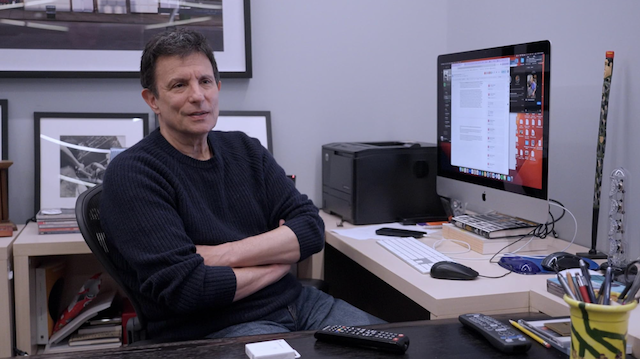
Marshall Curry : Yeah, that was definitely the most challenging part of the project was trying to figure out how to take the history of the magazine, which in a hundred years they’ve published thousands of articles that have been extraordinary and also how to tie together with the current staff, because there are different people who write about politics and somebody writes about the Middle East and someone writes celebrity profiles and they’re cartoonists and covers. So, just getting our arms around the story was one of the biggest challenges.
And essentially what we did is for the historical stories, we realized there’s no way to be able to capture the entire history of the magazine. So we were just going to pick a few examples that were significant in the world of journalism, in the world of culture, and also significant for the magazine that indicated or caused a big turn in the magazine itself. So we started with a list of probably 50 stories and narrowed them down and narrowed them down, and settled on the ones that you described. And we also wanted them all to be visual and to have a great story behind the story. That was another important thing we were looking for in our historical pieces.
Q : I’m very curious about the New Yorker’s weekly ideas meeting, their topics from shortage of medicine, Addrall to Koji Murata’s invention of wooden satellite. As your documentary filmmakers point of views, what are their approaches that fascinated you when you filmed this weekly ideas meeting at New Yorker?
Marshall Curry : That’s right. I love the ideas meeting. That was one of the first things that we filmed when we got there. And every week they have a meeting and it can include fact checkers, assistants, hop editors, writers, anyone at the, at the magazine who has ideas can be invited to come and pitch the ideas. And so it’s not like it’s just the writers pitching their own stories. It’s all different kinds of people who work at the magazine. And it’s so fun to hear the range of stories that people pitch. The idea is that each person pitches three different ideas and the range of ideas is you know, very diverse, but also it’s fun to hear the way that people as they pitch have an idea for a structure of a story as well. And you can sit in there and just listen to these things and be like, “Oh, I could picture that in the New Yorker. Oh, that would be a classic in the New Yorker. Oh yeah, I can see that one.”
Q : Don’t you love to hang out with those people because this could be your topic for your next film.
Marshall Curry : Just the ideas meeting, yeah, yeah.
©Courtesy of Netflix
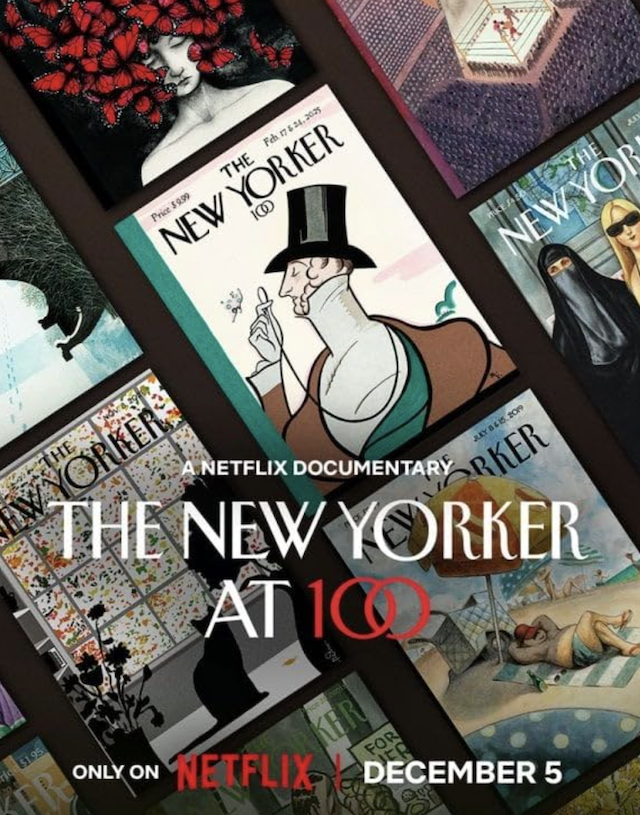
Q : Let’s talk about the cover of the New Yorker magazines, they never had photography, or bikini of the supermodel or movie stars, yet they always picked the cartoon that depicted their times or challenging readers, Emma Allen cartoon editor picked from 1000~1500 cartoon in the box on Tuesday morning, then narrowed it down to 50, which could be very mind-numbing task, then chief editor David Remnick chose the cover.
Marshall Curry : So the cartoons are usually submitted to the cartoon editor, Emma. And as you mentioned, she told us that I think she gets 1500 cartoons a week submitted. Many of them come from cartoonists that they’ve bought things from frequently, but they also get blind submissions, just completely random people sending in cartoons that they want. And everything gets looked at.
She boils it down. She and her staff boil it down to a group of about 50. And then they have a meeting every week with David, the editor. And he has three different bins. One that says yes, one that says no. And one that says maybe. So sometimes he can’t quite decide. So he’ll toss it in the maybe. But he goes through them all and just whatever he thinks is funny.
He tosses into the yes, the no and the maybe. And for the covers, Françoise Mouly is the cover editor. She has been there for decades, A former chief editor Tina Brown is who hired her actually. And Art Spiegelman is her husband, the graphic novelist and American cartoonist. But she also has many relationships with illustrators and design graphic designers.
And so sometimes they’ll know in advance that they want to have a cover about say the New York marathons coming up. So they might send out an email to their illustrators and say, do you have ideas for a New York marathon cover? But other times, she will just be in constant conversation with her illustrators and they’ll have ideas.They’ll send in submissions. She is so precise and she’ll give notes and they’ll go back and forth refining and refining the exact design and look of the covers.
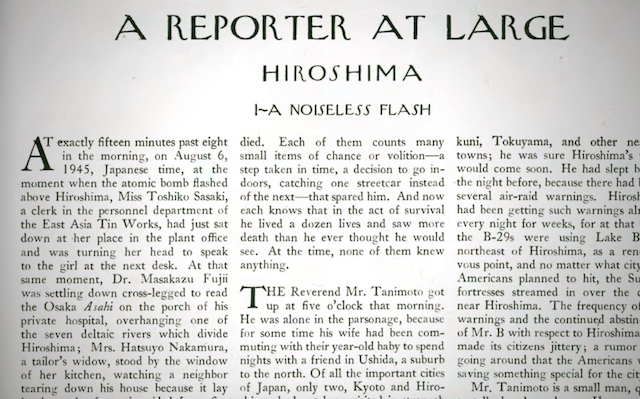
Q : Obviously, I’m Japanese that very important to talk about, John Hersey piece about Hiroshima, I’m kind of shame to admit that I didn’t know that after the bombing of Hiroshima, The U.S government banned the publication of any photograph that shows Japanese civilians suffering, so my natural reaction was how was most American was accepted to end the war with the Atomic Bombs, because of it’s create more casualties of war(of course, I can understand if the war continues it will create more casualties of war as well), but it did make sense to me that most of Americans were in dark about what the Japanese people there had experienced after the atomic bomb. The piece that John Hersey wrote, in a way, it revolutionized the journalism, and non-fiction.
Marshall Curry : I read Hiroshima when I was in high school and like a lot of the works that came out of the New Yorker, I didn’t realize that “Silent Spring”(Written by Rachel Carlson) was in the New Yorker. I didn’t realize, you know, a lot of people don’t realize that in Cold Blood(Written by Truman Capote) was published. There are many things that have permeated the culture of America and the world that were first born from the New Yorker. But Hiroshima is one, an example of that.
And it was extraordinary because as you say, the American government didn’t allow photographs of suffering to come out. And a lot of Americans just hadn’t fully realized what the bombing meant to individuals. And so John Hersey went, he interviewed people and wrote this article that was later published as a book that personalized the people through the way that he wrote about them.
It had a fictional style, even though it was factual and journalistically correct. There was a novelesque approach to the way that he told their stories that humanized them to audiences around the world and really sensitized the world. I think, to the risks of nuclear war, and it also changed journalism. I mean, after this piece, there were lots of people who began writing in this style, bringing sort of the inventions of novel writing to journalism. And it changed the New Yorker. The New Yorker, when it was founded in 1925, was a humorous magazine. It was a comic magazine. And it had a few, you know, some serious articles, but that Hiroshima article really marked a turning point for the magazine to be a serious journalistic player.
©Courtesy of Netflix
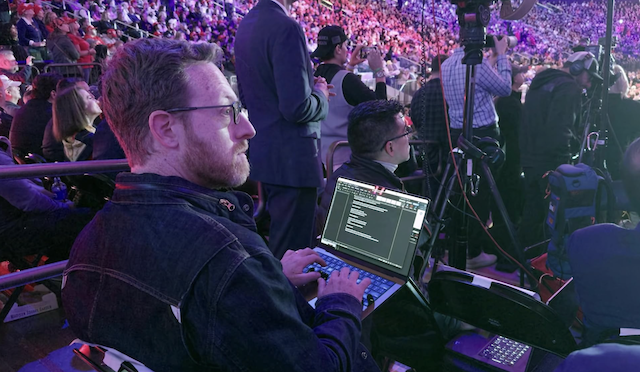
Q : I thought that was one interesting aspect of story that one of the staff writer, Andrew Amarantz pointed out that people who really despise Trump that never really understand how fun, community and comradely of those Trump rallies are. I’m very much liberal and supporter for the Democratic party, but do you think we the democratic people lose sight on how to make people feel stuff about at a really gut level, that’s why we lost the presidential election?
Marshall Curry : Yeah, I think a lot of Democrats don’t understand, the appeal of Trump to Republican voters. And one of the goals that Andrew talks about in the film is getting the importance of understanding people, even if you disagree with them and not letting them off the hook, not excusing bad behavior, but trying to understand it.
And I feel like that’s really important as, you know, the journalistic enterprise and you know, as an American that is never seen my country. So, polarized as it is right now that level of understanding feels really, really important.
Q : Yeah, when I saw them at the presidential debate together, when Kamala Harris was bringing all those celebrities, I felt she was totally out of the realism there, even from Japanese perspective. I can easily see how different the current society is now. I like the approach of staff writer, Nick Paumgarten(who writes politics and current society), he toys to find the topic everywhere, take a temperature of the city, kind of what he called, fishing expedition, instead of interviewing congressman and government officials.
Marshall Curry : Yeah, I think there are lots of writers who who talk to non celebrities, non politicians, trying to understand what you know, normal civilians think that story was was unusual because usually the talk of the town pieces have a direction to them. So, but it is those articles often have voices of people that you’ve never heard of.
That’s kind of what they’re going for. The talk of the town, they want to know, what’s the word on the street? What are people feeling about things? But it’s not just go out and ask people what they think and hope you find a story. It’s usually has a little bit more of a structure in advance to it.
Q : One of the writer, Kelefa Sanneh, who used to be punk rocker, cover music and sport, maintains the current trends all that. Could you talk about as much as old fashion on the look of the New Yorker magazine but the magazine was very much cover current society, how did they maintain updating and reinventing the magazine, how do they balance out both in your opinion?
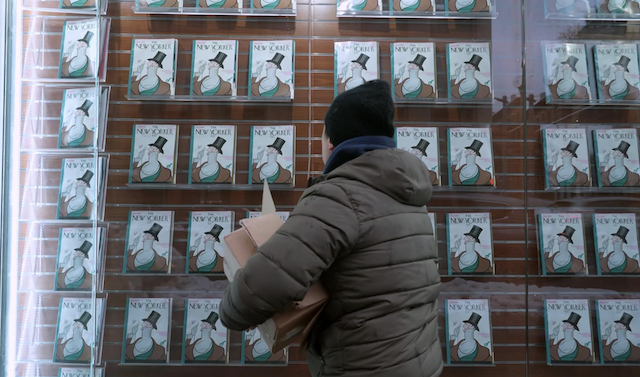
Marshall Curry : You know, I think that’s something that happens in all aspects of the magazine. There’s this constant tension between, tradition and the magazine’s been around for a hundred years. It has a particular font that people recognize a typeface. It has cartoon characters like Eustace Tilley, the man with the top hat and the monocle that people recognize the layout is very similar to how it was even in 1925, but they also try to keep it up to date.
And so Kelefa Sanne talks about that a little bit in the film, the way that he likes to bring some new surprising points of view into the magazine. He writes about country music and boxing and hip hop and things that, you might not have expected 30 years ago to read in the fancy New Yorker magazine, he likes to, to bring those things in. And he thinks there’s a fun, dynamism that happens when you bring the non-traditional voices and subjects into the traditional, you know, structure of the magazine.
©Courtesy of Netflix
Q : One of writer, Jon lee Anderson, covers war zone, he grew up in 9 different countries. And compare to New York Times, The New Yorker has smaller budget and smaller staff, but how did they navigate as far as the budget, how did they structure the financial system of the magazine that can support journalists to go overseas?
Marshall Curry : Yeah, you know, journalism in general has been really beaten up in the last couple of decades. The model for so many magazines was advertising and most advertisers have moved into Google searches and Facebook searches and things like that, as opposed to buying ads and magazines. And so many newspapers and magazines have gone out of business and the New Yorker is one that has figured out a way of continuing. But they don’t have an enormous budget to be able to have hundreds and hundreds of people working all around the world.
But I think the chief editor David Remnick and the owners of the magazine really think it’s important to not sit inside of an office and write articles about what’s happening in the world, but to send people out to lay their eyes on what’s happening. And, and so John Lee Anderson is an example of that. He’s constantly going into war zones and conflict zones an bringing back, you know first person reported stories of what he sees there for the readers.
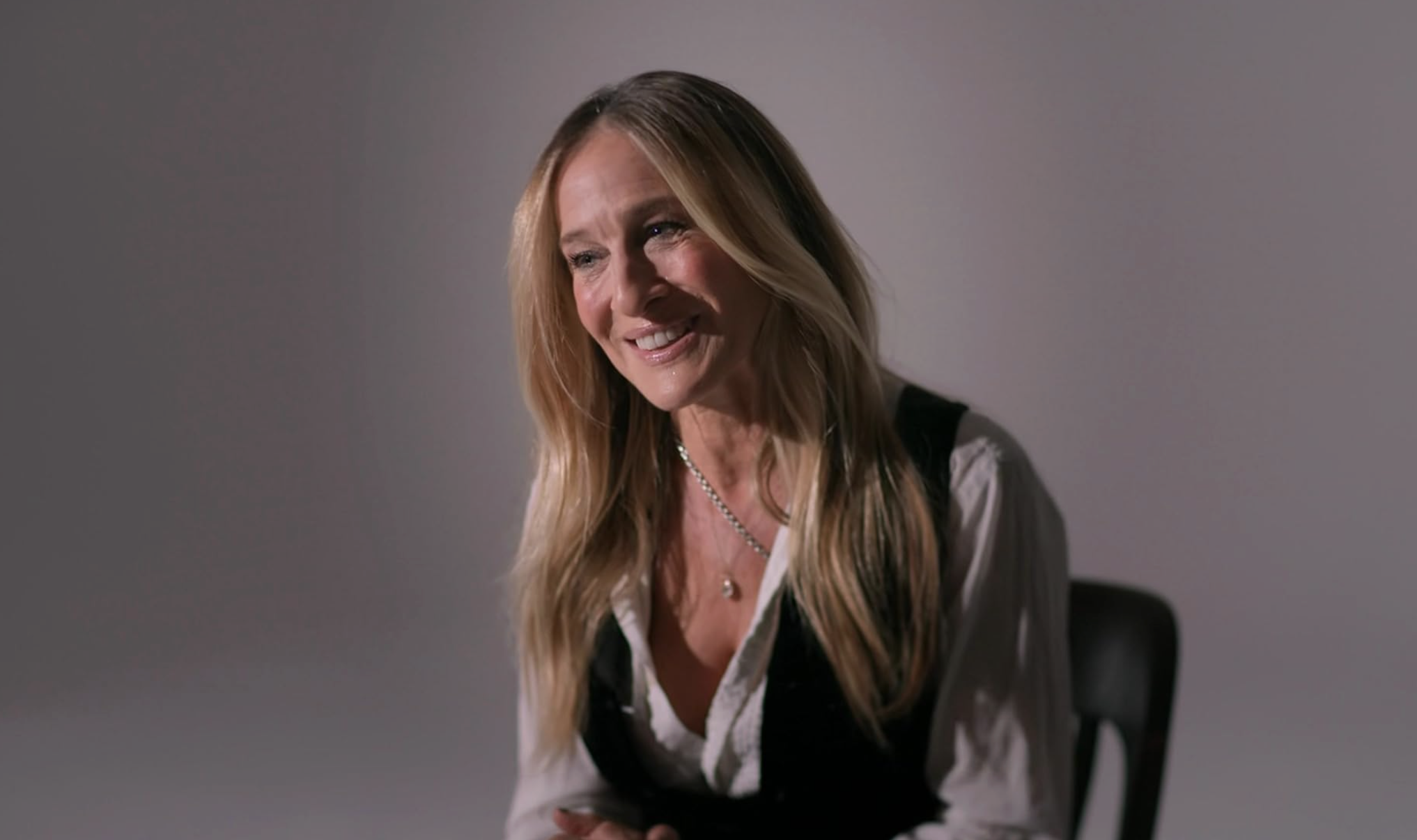
Q: Could you talk about how did you decide to cast Juliane Moore for narration? That was really very fitting to the New Yorker actually.
Marshall Curry : Well, I’m a huge fan of her and, and she, you know, she sort of perfectly encapsulates different aspects of the magazine. She’s smart, she’s human and she’s sensitive and she’s creative. She’s artistic. And so it seemed like she was perfect and recording those sessions with her was a real delight.
Q : After you talked to staff and made this film, but what’s the significant reasons that New Yorker kept the magazines for 100 years in your opinion?
Marshall Curry : I think they did not get distracted when the internet came along and you know, Buzzfeed and you know websites started opening that would turn out lots and lots and lots of content that wasn’t very careful, but was quick bait to get people to have strong reactions. The New Yorker said, well, we’re going to continue doing what we’ve always done, which is carefully written, carefully reported, deeply reported articles that are thoughtful and smart and complex.
And we’re going to develop a website. We’re going to develop social media, but it’s all going to be in service of this very particular thing that we do. And and I think what they discovered was that in order to get people to pay for a subscription, you have to give them something that they can’t get for free other places on the internet.
And the New Yorker is not trying to compete with Twitter. It’s not trying to compete with TikTok and with the sort of AI slop that you see getting churned out. They know that that’s not their competition. They’re going to do what they do. And they’re not trying to make billions and billions of McDonald’s hamburgers that sell everywhere. They’re trying to make handcrafted, carefully selected, carefully seasoned sushi that people who care about sushi will pay money for and will appreciate the energy and the effort that goes into making it. And it turns out there enough of those people that the magazine’s been able to survive and be a success.
Q : Yeah, that’s completely makes sense. I had a good time talking to you, Marshall, thank you so much.
Marshall Curry : Good luck into you too, thank you so much.
©Courtesy of Netflix
If you like the interview, share your thoughts below!
Check out more of Nobuhiro’s articles.
Here’s the trailer of the film.