

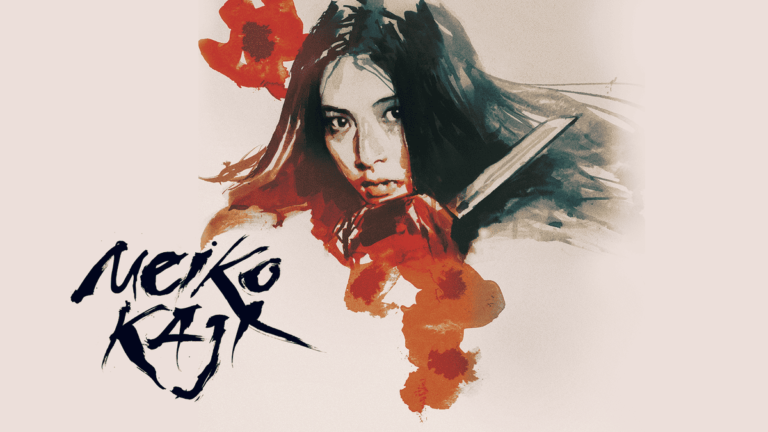
Japan Society Announces Meiko Kaji: A Retrospective

Japan Society Announces Meiko Kaji: A Retrospective

©Courtesy of Japan Society

Japan Society is pleased to announce the film series Meiko Kaji: A Retrospective, a focus on the cult actress featuring her first public New York appearance in over 40 years—running March 27 – April 4. Best known in the West as the mythic katana-wielding Lady Snowblood of the eponymous 1973 Toho picture—a violent cult work steeped in fountains of spurting blood—actress and singer Meiko Kaji remains inseparable from the image of a rebellious outlaw heroine, a cataclysmic force of seventies Japanese cinema whose characteristic steely-eyed gaze cemented her as something akin to Clint Eastwood’s Man with No Name.

Recruited at the coda of Japan’s studio era, Meiko Kaji debuted in 1965 under her real name Masako Ota as a contract player for Nikkatsu, Japan’s oldest studio. Deemed “difficult” for not fitting into the studio’s prescribed mold of modest, pure-hearted female ingénues (in the vein of Nikkatsu star Ruriko Asaoka), Kaji was soon sidelined to supporting roles until her outspoken nature proved well-suited for outsider roles, embodying the image of an outlaw figure as she moved into genre cinema with noteworthy delinquent series Stray Cat Rock, an early launching pad as well for co-star Tatsuya Fuji (In the Realm of the Senses) and Kaji’s mentor Yasuharu Hasebe. As Nikkatsu opted to shift away from mainstream film and into softcore productions to combat declining attendance, Kaji—who had assumed the stage name “Meiko Kaji” under the suggestion of chambara director Masahiro Makino (Singing Lovebirds)—left the studio of her own accord at the age of 23.

Soon sought by Toei as an ideal successor to retiring ninkyo eiga (chivalry film) Junko Fuji, Kaji would then rise to recognition as the vengeful prisoner Sasori (Scorpion) in the popular Female Prisoner Scorpion series (1972-1973) and then, during a hiatus, took on the role of Yuki in Toshiya Fujita’s Lady Snowblood (1973). Kaji willfully defied being pigeonholed by her successes—seeking instead to further her craft and artistry with filmmakers such as Kinji Fukasaku and Yasuzo Masumura, eventually going freelance by her mid-twenties. Moving from ninkyo eiga and pinky violence to yakuza pictures, arthouse productions and television, Kaji—whose piercing gaze came to define an era of Japanese cinema—transcended the confines of genre cinema; her depth and versatility extend far beyond the cult mythos that surrounds her.

Over 60 years since her film debut, Japan Society will host Kaji for her first public appearance in New York City in more than 40 years. Kicking off on March 27th with a screening of Lady Snowblood, series highlights include Kaji’s personal favorite work: Daiei master Yasuzo Masumura’s rarely-seen The Love Suicides at Sonezaki (to be shown on a rare 35mm import); seldom-screened 35mm prints of Female Prisoner Scorpion: Jailhouse 41 and Stray Cat Rock: Sex Hunter; and the world premiere of a new 2K restoration of Wandering Ginza Butterfly. Kaji will participate in introductions and Q&As during the series’ opening weekend (March 27-29).

FILM DESCRIPTIONS
All films are listed alphabetically.

Blind Woman’s Curse
『怪談昇り竜』(Kaidan Nobori Ryu)
Friday, April 3 at 9:15 PM
Dir. Teruo Ishii, 1970, 84 min., DCP, color, in Japanese with English subtitles. With Meiko Kaji, Hoki Tokuda, Makoto Sako.
Although she began her acting career at Nikkatsu under her real name, Masako Ota became Meiko Kaji on the advice of her mentor Masahiro Makino, and this phantasmagoric female swordplay saga—the best period film Kaji made at Nikkatsu—was her first starring role under her new, tougher name. The third and final entry in the Rising Dragon series of female gambler films that starred Hiroko Ogi, Blind Woman’s Curse dispenses not only with the original character but also Ogi herself, instead casting Kaji as the benevolent, tattooed leader of a band of yakuza. Kaji and her gang become targets of supernatural vengeance after she blinds another swordswoman in a duel, and genre master Teruo Ishii adds his signature erotic-grotesque elements to the story, which may be the best female swordplay-cum-ghost cat horror film Japan ever produced.

Female Prisoner #701: Scorpion
『女囚701号/さそり』(Joshu Nana-maru-ichi Go / Sasori)
Saturday, March 28 at 3:00 PM
Dir. Shunya Ito, 1972, 87 min., DCP, color, in Japanese with English subtitles. With Meiko Kaji, Isao Natsuyagi, Fumio Watanabe.
The state is perverted, violent and predatory in Shunya Ito’s claustrophobic debut, a reworked adaptation of Toru Shinohara’s manga Sasori. Confined within a women’s prison populated by sadistic, leering guards and volatile inmates, Meiko Kaji’s Nami radiates a simmering, unspoken rage in what would become her defining role at Toei—spawning three sequels over the next year. Ito fixes his gaze on the unrepentant viciousness of society, its structural oppressions refracted through the cellblock’s own microcosm. With bursts of expressionist set pieces, gratuitous violence, and Kaji’s dagger-eyed silent avenger, Female Prisoner #701 Scorpion stands out as a cornerstone of 70s exploitation cinema.

Female Prisoner Scorpion: Beast Stable
『女囚さそり けもの部屋』(Joshū Sasori – Kemonobeya)
Friday, April 4 at 8:30 PM
Dir. Shunya Ito, 1973, 87 min., DCP, color, in Japanese with English subtitles. With Meiko Kaji, Mikio Narita, Koji Nanbara.
Perhaps Meiko Kaji’s most iconic role, Nami “Scorpion” Matsushima was created by Toru Shinohara for an adult manga, and has been the subject of many remakes, but Kaji will always remain the original and the best. The third film in the series, and last by original director Shunya Ito, Beast Stable is the most horror-tinged entry, and arguably the most violent. Nami, having escaped from prison in Jailhouse 41, befriends a lonely sex worker and incurs the wrath of a yakuza gang led by a former nemesis, the sadistic and power-mad Katsu—a grand guignol creation clad in black feathers who has sworn vengeance on Scorpion.

Female Prisoner Scorpion: Jailhouse 41
『女囚さそり/第41雑居房』(Joshu Sasori Dai 41 Zakkyobou)
Saturday, March 28 at 5:00 PM
Dir. Shunya Ito, 1972, 90 min., 35mm, color, in Japanese with English subtitles. With Meiko Kaji, Fumio Watanabe, Kayoko Shiraishi.
Archival 35mm Presentation; Introduction and Q&A with Meiko Kaji. After a year in solitary confinement in a vicious women’s prison, Sasori has taken on a mythic stature among the prisoners. Escaping with an uncouth band of inmates, she leads the group while the prison’s sadistic guards follow in hot pursuit. The second film in Toei’s Female Prisoner Scorpion series, Shunya Ito’s fever dream sequel is recognized as the series’ best entry, bolstered by avant-garde tinged visuals, delirious violence, a fuzzy guitar score and, of course, Meiko Kaji’s fierce, steely-eyed performance of rage and vengeance.

Lady Snowblood
『修羅雪姫』(Shurayuki-hime)
Friday, March 27 at 7:00 PM
Dir. Toshiya Fujita, 1973, 96 min., DCP, color, in Japanese with English subtitles. With Meiko Kaji, Ko Nishimura.
Introduction and Q&A with Meiko Kaji. Produced by Toho during a hiatus from Toei, Lady Snowblood reunites Kaji with two-time Stray Cat director Toshiya Fujita, better known at the time for his realist youth pictures—a stark contrast from the extravagantly stylised and violent nature of Snowblood. The representative work of Kaji’s career in action cinema, Lady Snowblood adapts Kazuo Kamimura’s manga into a bloodsoaked treatise on retribution. Born a creature of vengeance, an asura to enact her dead mother’s wrath, Yuki (Kaji) leaves behind a trail of bloodshed in her wake.

New Battles Without Honor and Humanity: The Boss’s Head
「新仁義なき戦い 組長の首」(Shin Jingi Naki Tatakai: Kumicho no Kubi)
Friday, April 4 at 6:00 PM
Dir. Kinji Fukasaku, 1975, 94 min., DCP, color, in Japanese with English subtitles. With Meiko Kaji, Bunta Sugawara, Tsutomu Yamazaki
Kinji Fukasaku‘s follow-up trilogy to his successful Battles Without Honor and Humanity series tells three unrelated stories about yakuza intrigue and betrayal, and this middle film co-stars Meiko Kaji as the dutiful wife of a heroin-addicted hitman (Tsutomu Yamazaki) who befriends, then betrays, series star Bunta Sugawara. An essential link within Fukasaku’s cinematic world, The Boss’s Head found him expanding his action vocabulary to include car stunts, as well as creating not one, but two strong female roles (the other played by Yuriko Hishimi). Composer Toshiaki Tsushima contributes another memorable score, and the ensemble casting is among the best of the entire series.

The Love Suicides at Sonezaki
『曾根崎心中』(Sonezaki Shinju)
Sunday, March 29 at 6:30 PM
Dir. Yasuzo Masumura, 1978, 112 min., 35mm, color, in Japanese with live English subtitles. With Meiko Kaji, Ryudo Uzaki, Sachiko Hidari.
Imported 35mm Print; Introduction and Q&A with Meiko Kaji. Yasuzo Masumura’s devastating ATG adaptation of the classic Chikamatsu drama casts Kaji and rock singer Ryudo Uzaki as the forbidden lovers. Ohatsu, an indentured courtesan, and Tokubei, an assistant to a respected Osaka soy merchant, find their dreams of a life together eroded by precipitating misfortune. Kaji’s wildly expressive passion, anguish and love—expressed with such conviction—marks a fascinating collaboration with Daiei master Masumura, one worthy of being the actress’s favorite role. With its inherent theatrical quality, Sonezaki’s tragedian precision steadily points to a foregone conclusion: a violent, funereal act of passion at daybreak.

Stray Cat Rock: Sex Hunter
『野良猫ロック セックスハンター』(Nora-neko rokku: sekkusu hantaa)
Sunday, March 29 at 4:00 PM
Dir. Yasuharu Hasebe, 1970, 93 min., 35mm, color, in Japanese with English subtitles. With Meiko Kaji, Rikiya Yasuoka, Tatsuya Fuji.
Archival 35mm Presentation. Meiko Kaji headlined her first ongoing series with this group of five girl-gang biker films, made during Nikkatsu Studio’s heyday of “New Action” films, which amped up the sex and violence while addressing contemporary social issues from a distinctly left-wing point of view. Sex Hunter, the third entry in the series, stars Kaji as the leader of the Alleycats and girlfriend to the morose, possibly impotent Baron (Tatsuya Fuji), who leads a biker gang of his own in attacks on mixed-race kids around the US military base in Yokosuka. Co-starring burly, half-Italian actor Rikiya Yasuoka (Tampopo) as tough outsider Azuma, his not-quite-consummated romance with Kaji burns up the screen as their increasingly violent brawls with Baron’s gang, as well as the local yakuza, pile up the casualties on both sides.

Wandering Ginza Butterfly
『銀蝶渡り鳥』(Gincho Wataridori)
Friday, April 3 at 7:00 PM
Dir. Kazuhiko Yamaguchi, 1972, 86 min., DCP, color, in Japanese with English subtitles. With Meiko Kaji, Tsunehiko Watase, Flower Meg.
World Premiere of 2K Restoration. Planned as Kaji’s first Toei appearance following her Nikkatsu exit, Wandering Ginza Butterfly would situate Kaji as the successor to recently retired star Junko Fuji, the reigning queen of ninkyo eiga (chivalry films). Substituting a period setting for the neon-lit clubs of 70s Ginza, Wandering Ginza Butterfly offers an updated spin on the genre’s honorable, romanticized outlaws, focusing on ex-con Nami “the Red Cherry Blossom” Higuchi’s return to civilian life after a three year stint at Tochigi Prison. With the intent to go straight, she takes on work as a hostess but soon finds herself at odds with the far-from-legitimate dealings of ruthless yakuza front Owada Enterprises. With vibrant street photography and a colorful cast of side players (including 70s icon Flower Meg in a bit part), Wandering Ginza Butterfly finds Kaji’s stoic Nami going on a noble crusade, taking cues from Paul Newman’s The Hustler as it culminates in a high-stakes billiards match.

New Restoration courtesy of Toei / Arrow Films.

Yakuza Graveyard
『やくざの墓場 くちなしの花』(Yakuza no Hakaba: Kuchinashi no Hana)
Saturday, March 28 at 7:30 PM
Dir. Kinji Fukasaku, 1976, 92 min, DCP, color, in Japanese with English subtitles. With Tetsuya Watari, Meiko Kaji, Tatsuo Umemiya.
Introduction by Meiko Kaji. Made in the aftermath of his defining Battles Without Honor or Humanity and subsequent New Battles series, Kinji Fukasaku’s propulsive crime film paints postwar Japan as crime-riddled and rotten to its core, with a thin line separating cops from robbers in the decrepit streets of ’70s Osaka. Hard-headed detective Kuroiwa (Tokyo Drifter’s Tetsuya Watari), a recalcitrant transfer, aims to dismantle a system of kickbacks, false fronts and schemes—a corruption that has seeped into the upper ranks of the police force itself (a notable member of top brass is played by Nagisa Oshima). Through canted angles and freeze frames, Yakuza Graveyard finds Kuroiwa forming an unlikely alliance with Meiko Kaji’s zainichi yakuza mistress while fomenting a gang war as an agent provocateur.

SCREENING DATES

FRIDAY, MARCH 27

7:00 PM    Lady Snowblood*

SATURDAY, MARCH 28

3:00 PM    Female Prisoner #701: Scorpion

5:00 PM    Female Prisoner Scorpion: Jailhouse 41*

7:30 PM    Yakuza Graveyard*

SUNDAY, MARCH 29

4:00 PM    Stray Cat Rock: Sex Hunter

6:30 PM    Love Suicides at Sonezaki*

FRIDAY, APRIL 3

7:00 PM    Wandering Ginza Butterfly

9:15 PM    Blind Woman’s Curse

SATURDAY, APRIL 4

6:00 PM    New Battles Without Honor and Humanity: The Boss’s Head

8:30 PM    Female Prisoner Scorpion: Beast Stable

*denotes Introduction or Q&A with Meiko Kaji – see descriptions for specific details

Comment (0)

LEAVE A REPLY

Please enter your comment!
Please enter your name here