

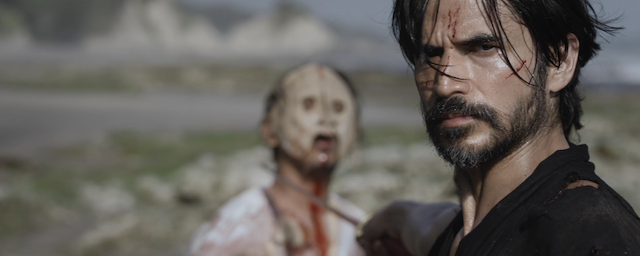
©Courtesy of Well Go USA Entertainment
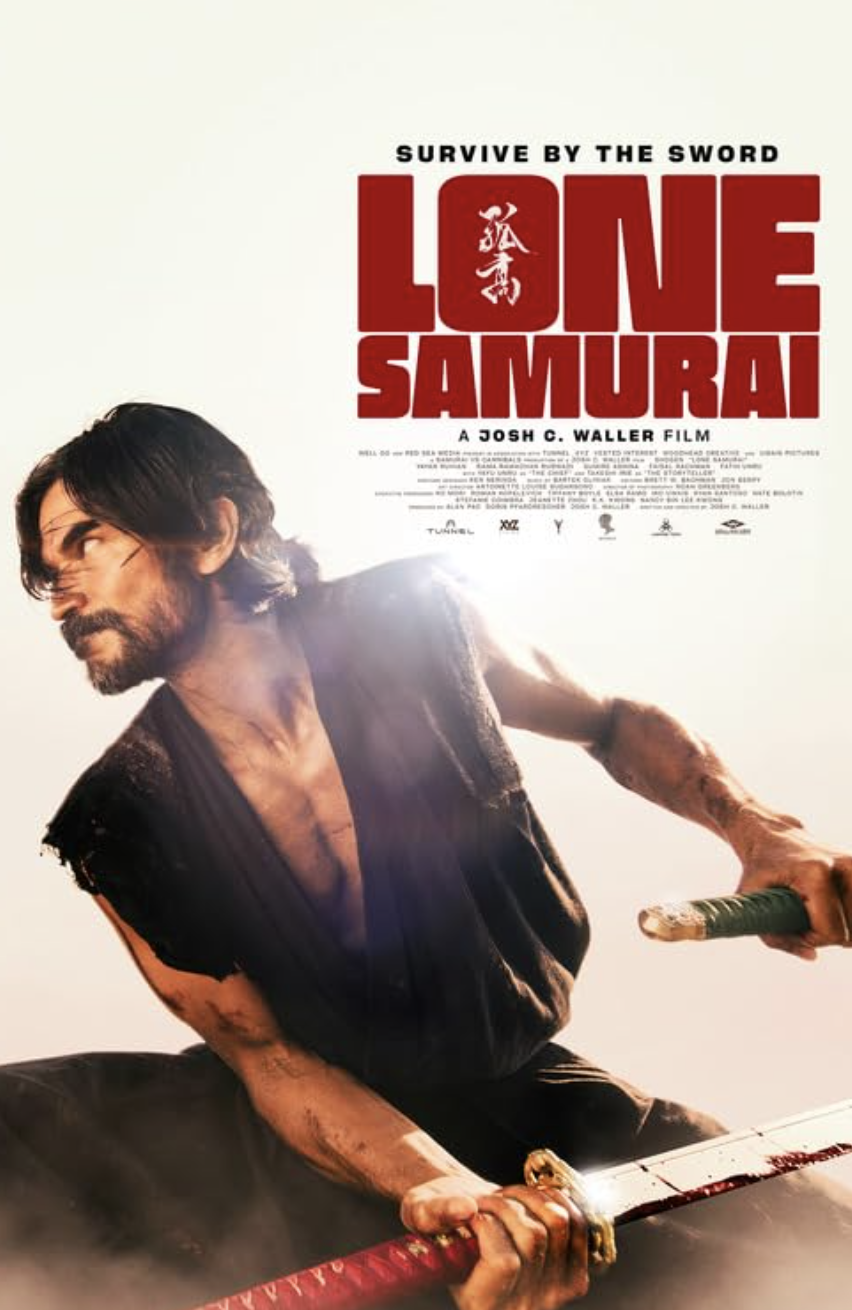
©Courtesy of Well Go USA Entertainment
Exclusive Interview with Director Josh C. Waller and Actor Shogen
Q : Josh, I heard that you wrote this script when you made a trip to Japan. How did you initially start it and how did actually blossom into a wonderful script?
Josh C. Waller : First of all, thank you. I had the idea for a shipwrecked samurai. I had not been to Japan myself. So when I was working on the treatment, just coming up with this story, this sounds kind of corny, but I bought an album and it was all sound from Kumano Kodo.
Yeah, and so I was listening to the forests and trickling water and rain as I was writing the treatment. So then when I was shooting this other movie in Belgium and I had a little bit of time. I was like I’m just gonna go to that place that I’ve been listening to. And flesh it out from there. And it came out pretty quickly ’cause there’s not a lot of dialogue.(lol) The treatment and the script were that much different.
Q : Shogen, you have a very interesting career. You were originally born in Naha, Okinawa, but you moved to New York in 2008. How did you cast in this film, and how did you train yourself to prepare the physical challenge for this film?
Shogen: Ko Mori, Japanese producer who based in L.A, he reached me out about this project because we worked twice already together. It was really quick, wasn’t it, Josh?
Josh C. Waller : Yeah, super fast, like days.
Shogen: So, we did a video chat, it was quick.
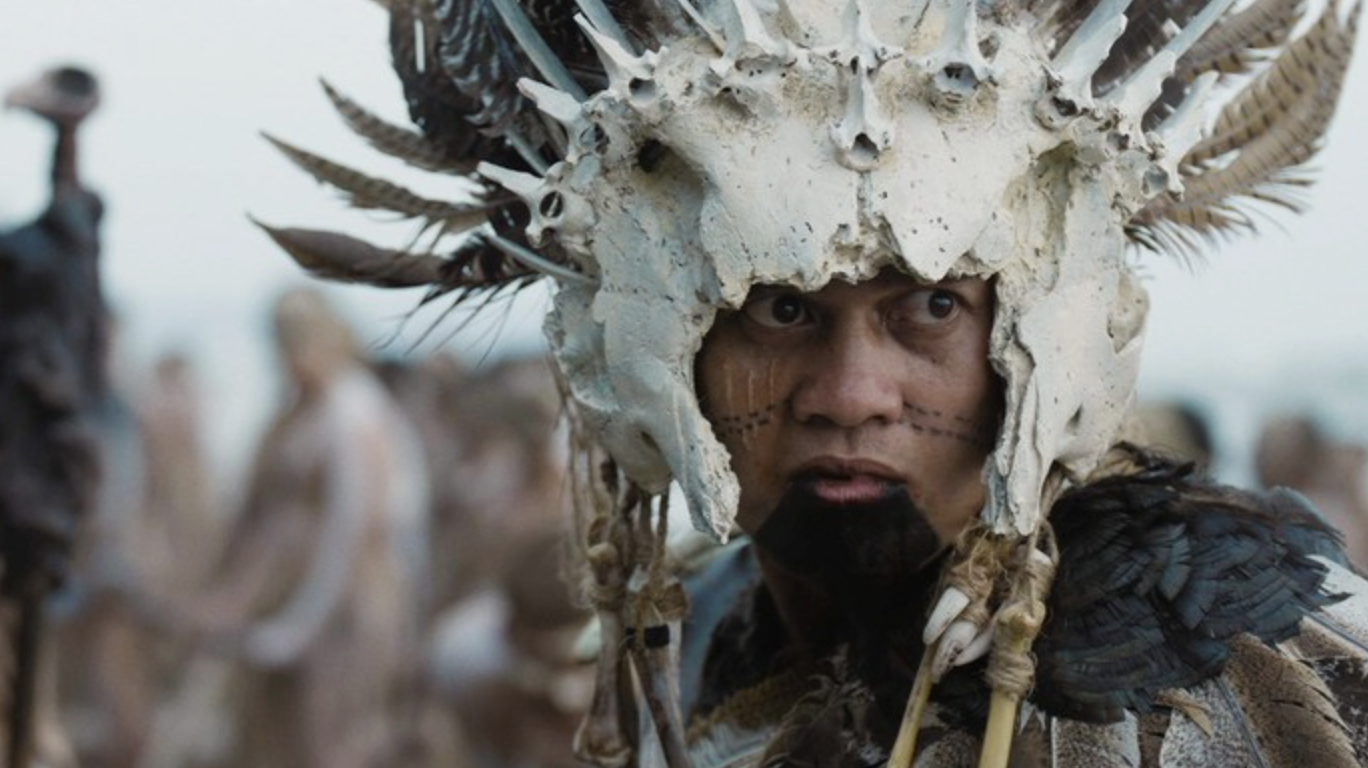
©Courtesy of Well Go USA Entertainment
Q : So, what was the training process like?
Shogen: I had a boxing film called, “Gensan Punch.” Even after the film, I kept boxing training, so definitely that helped a lot for me, physically, but the soda action, I haven’t done it for a while, but luckily I had a time to train with Iko Uwais(lead actor from “The Raid : Redemption and “The Raid 2”) team, right?
Josh C. Waller : Yeah, it was four weeks of training.
Shogen : I was in New York and Tokyo, slept back and forth. Then, Indonesia and Japan. But the dedication of Iko Uwais team and Yayan Ruhian(He played the character “Mad dog” in “The Raid : Redemption”) helped me a lot and pushed my limits, so I really appreciated them.
Q : Obviously, what’s wonderful about this production is that, not only you shoot in a wonderful location of Indonesia, but also worked with the team that brought “The Raid” series. Could you talk about how did you choreograph the action sequence and how did you and Iko Uwais team seamlessly work together?
Josh C. Waller : We talked about key moments in the script from day one.There was a few little moments and I had ideas for the tone that I wanted each of the fight segments to be in. And then, when we started like having the early discussions about the choreography, I kind of letting them do their things, after I explained what I was looking for.
And they came with incredible choreography and they also did some pre-vis(Previsualization) videos when you do action and I had said, pre-vis(Previsualization) are good. They’re a lot like a script, right? You need some kind of a roadmap to follow when you’re on set.
But I also said that, a lot of your guys cinematography choices in the pre-vis(Previsualization) I love, but then there’s also beats within that where I’m not gonna shoot it the way that you guys did in the pre-vis(Previsualization) because. I may be more focused on an emotional beat with Shogen’s character than the fight beat. So that was like the only thing that really changed. But it was a seamless process. And our stunt coordinators and stunt people on set, There was never an issue. Basically, every single person besides Shogen is a member of the Iko Uwais stunt team. All the cannibals, with the exception of y everybody is, was pulled from that pool of talent.
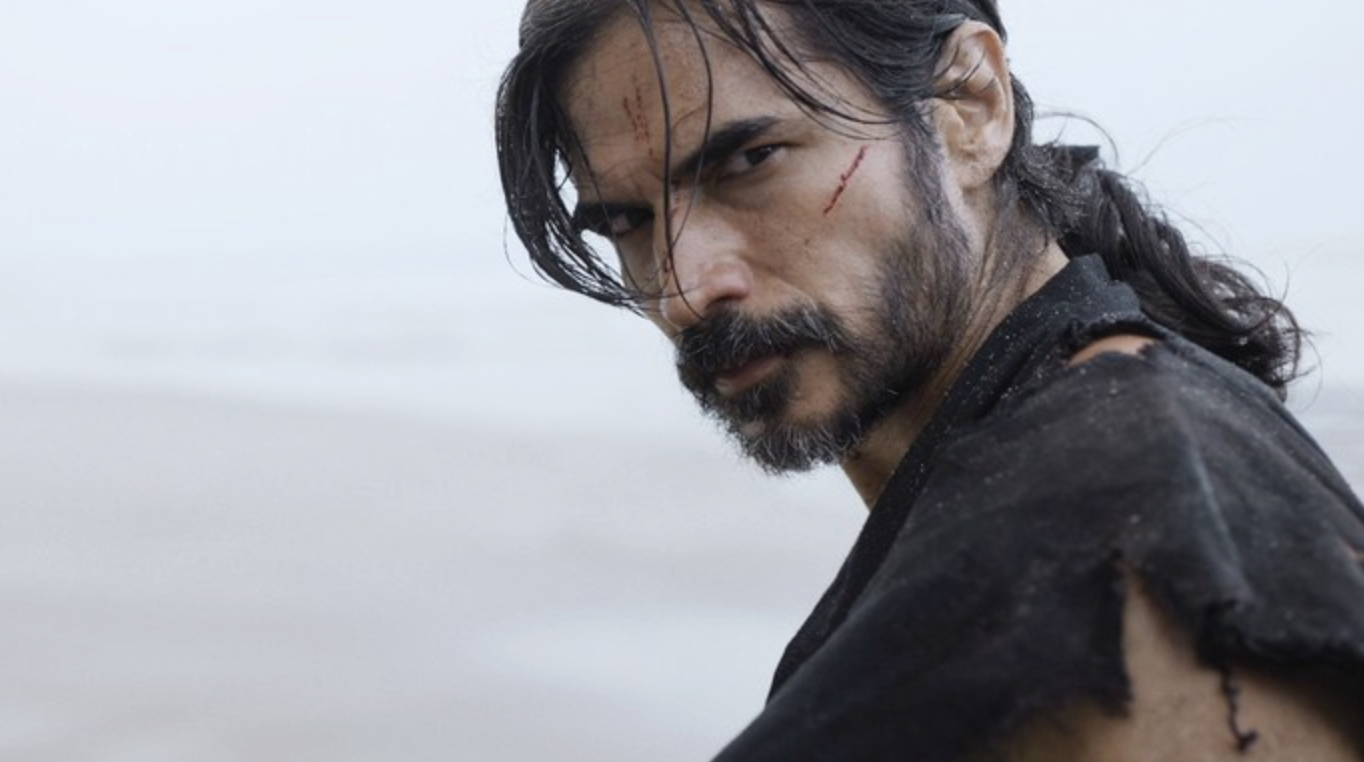 ©Courtesy of Well Go USA Entertainment
Q : Obviously, Josh, you are not a Japanese, but your film captured actually Japanese philosophy, culture and the samurai spirits throughout the film. How did you develop this script? Did you have a certain consultant about the Japanese culture, samurai spirits, and all those things? Because I’m curious to know how do you develop all those structures.
Josh C. Waller : I’ve always had an adoration and fascination for Japan and Japanese culture since I was very young. But I wasn’t about to think I know everything and don’t need help. No, I wrote it in English. Knowing that I was gonna align with a Japanese screenwriter friend and adapt it. I was leaning on my Japanese partners, one of which is Shogen, to help guide me, it was really important to me. Even on the title page of the script, it doesn’t say written by Josh C. Waller, it says written by JCW, because I didn’t want an automatic reaction that a white guy wrote it.
In my perfect world, it doesn’t matter that I directed it. People just enjoy the movie. As far as authenticity, I think a lot of, yes, there’s the technical aspects that I needed the help to get it right, but I do feel that the story is universal and not attached to a language.
We’re talking about a man and his loss of his wife and his children. Some of those scenes, they’re my favorite scenes and like the language could be in Japanese, it could be in English, it could be in Spanish. It could be anything and it would still be relevant.
That was important that the film felt like a universal story. It wasn’t like, oh, this is specifically a Japanese story. It was just that, this man happens to be Japanese.
Q : Sogen-san, you want to add something?
Shogen: First of all, if we talk about the action, Josh was like, “Forget a typical cliche samurai movement. That’s, so he tried to create a new samurai/Indonesian action style. It was very new to me.
Q : What’s engaging about this film is silence and also the sound of the background(surrounding environment) that you actually incorporate in this film. Just like some Japanese samurai movies in 60’s, capturing the silence is very important. So talk about creating that atmosphere and Shogen-san what was like getting a direction from that aspect?
Shogen: First of all, we shot all around Java Island. Shooting in such a remote and harsh landscape had a profound impact on my performance. Isolation, silence, power of nature, it all became part of my characters in that world, I guess.
Josh C. Waller : Yeah, and my biggest influences in the film, it’s funny you said films from the sixties because that’s what the largest influences were, like “Harakiri” and “The Sword of Doom,” and things like that. There’s scenes in those movies where there is no dialogue at all, and you just see two guys standing at each other, but the soundtrack is wind and just like all of that. And again, my feeling was this is a universal story, so language doesn’t matter. Can we push a universal story forward with a little to no dialogue, and then throw in some action, but have the action be emotionally motivated action, not just, hey, this guy’s gonna kill people. I find myself getting increasingly bored with modern action movies because they’re repetitive. This isn’t an action film. It has a lot of action, but I wouldn’t deem it an action film. I think that’s all I’ve got to say.
If you like the interview, share your thoughts below!
Check out more of Nobuhiro’s articles.
Here’s the trailer of the film.