

©Courtesy of Janus Films
Biopics thrive on their ability to see the ordinary in people as magical. The uniquely experimental new period docudrama, Peter Hujar’s Day, does just that by presenting the elegant titular character through melancholic subtext.
Ira Sachs both wrote and directed the movie about the late cultural photographer. The filmmaker turned a routine collaboration between Hujar and his friend, author Linda Rosenkrantz, into a sentimental tribute.
Peter Hujar’s Day follows the eponymous photographer as he spends the day with Rosenkrantz on December 18, 1974. During the duo’s time together, the author asked her close friend to write down everything he did that day. After doing so, they met the next day at her apartment. They discuss the actions of the leading figure of New York City’s downtown art scene.
During their conversation, Hujar discusses with Rosenkrantz the difficult interactions he had with poet Allen Ginsberg. The photographer also delves into the confusing visit he received from a Vogue editor. Hujar shares details about his call from writer Susan Sontag, as well. He’s also contending with financial and health worries alongside his other concerns about life.
The biopic instantly dives into Hujar and Rosenkrantz’s ease with each other. Their equal understanding of the other is highlighted by the project’s powerful visual aesthetic. Sachs and the drama’s production designer, Stephen Phelps, set the majority of the feature in austere minimalism of Rosenkrantz’s 94th Street apartment. The set-up of her apartment building is a mesmerizing illustration of the literary creator’s inspiring life.
The confinement of Rosenkrantz’s apartment is only occasionally broken when the story follow her and Hugar onto her building’s roof. That change in scenery emphasizes the characters’ need to both stay true to, but not feel confined by, their origins. At the same time, they also feel liberated to explore new situations.
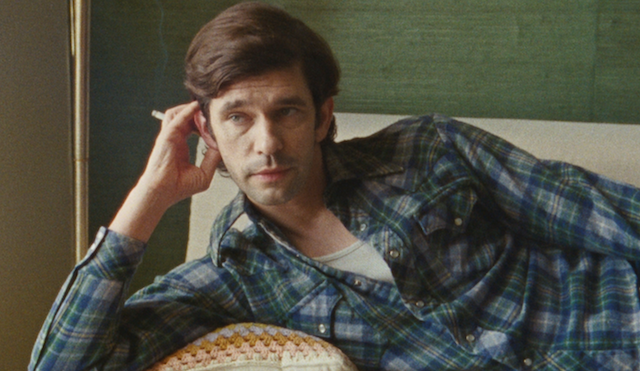
While the film is mainly confined to Rosenkrantz’s apartment, Peter Hujar’s Day‘s cinematographer, Alex Ashe, still effortlessly crafted an engaging composition. His framing captures Whishaw and Hall’s ease of interaction together in unconventional ways. The cinematographer bathes the actors in natural sunlight. That plaintive reflection radiates Whishaw’s vivid recollections of his interactions with his creative counterparts.
Peter Hujar’s Day is an enthralling new experimental biopic that celebrates the elegant eponymous character through melancholic subtext. Through Whishaw and Hall’s engaging performances as Hujar and Rosenkrantz, Phelps’ enduring production design and Ashe’s reflective cinematography, the movie notes that every moment in life has value.
With his latest engrossing and truly unexpected film, Sachs crafted a powerful moment in Manhattan’s cultural history, particularly its influential art scene. That moment still lives on in New York decades later. It effortlessly proves that low-key reflections can turn ordinary interactions into life-defining moments.
Janus Films and Sideshow will release the biopic in theatrically on Friday, November 7.
If you liked the review, share your thoughts below.
Check out more of Karen Benardello’s articles.
Here’s the trailer of the film.