

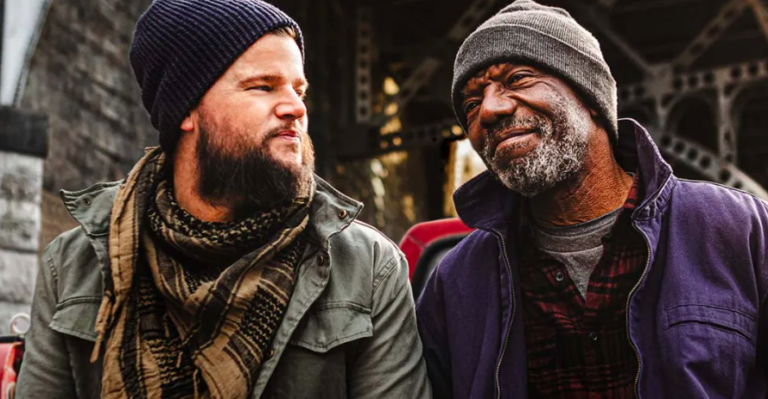
The Canadian Steven Grayhm wears multiple hats in his film Sheepdog: he wrote it, produced it, directed it, and played the leading the role. As he expressed, it was “a deeply personal film — one born from my family history, a chance encounter, and a fourteen-year journey of listening, learning, and honoring those who serve.” As the grandson of a Polish farmer who survived captivity in WWII and as someone who talked directly with war veterans, the multi-hyphenate filmmaker brought to life a heart-wrenching human drama that will enlighten viewers on the complexity of PTSD.
The title of the film encapsulates the spirit of the narrative, as it is borrowed from Lt. Col. Dave Grossman’s book, On Combat: The Psychology and Physiology of Deadly Conflict in War and in Peace, where sheepdogs are described to protect the flock and confront the wolf. However, many veterans discover that — also when they leave the context of warfare and return home — the wolf within them has not abandoned them and may take on many forms that clash with the new reality. Sheepdog exposes this interior battle that often has been ignored and traverses a journey where Post Traumatic Stress Disorder transforms into Post-Traumatic Growth.
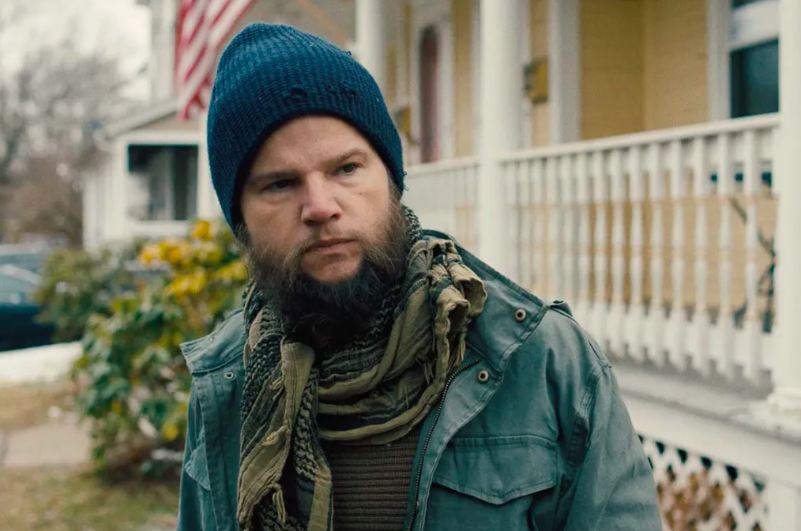
The narrative follows the psychological struggle of Calvin (Steven Grayhm), a decorated combat Veteran who has been court ordered into treatment. When an ex-convict named Whitney St. Germain (Vondie Curtis Hall) shows up on his doorstep and reveals that he must put himself back together again, Calvin will begin his path of resurrection. The film is subtle in intertwining — around the protagonist’s mental breakdown caused by PTSD — the personal loss Calvin has to deal with in his private life, that involves his family and close friend. This aspect allows us to become empathetic towards Calvin and better understand his repressed anger and mental suffering.
Alongside Steven Grayhm and Vondie Curtis Hall, the cast is enriched by the compelling performances of Virginia Madsen, Lilli Cooper, Dominic Fumusa, Matt Dallas and Maggie Geha. The director of photography Evans Brown creates an atmosphere of pensive back-and-forth between the present and the past, that is well knitted together by Brent McReynolds’s editing and the riveting music score by Rycky Ruke & Gary Rugala.
While confronting the topic of how fighting at war scars the humanity of veterans, Sheepdog also tackles with utmost sensitivity how PTSD is responsible for the Veteran Suicide Epidemic — that is frequently kept under wraps. The film retraces how you lose your morality when you go to war and part of that teaches you how to kill, and another part teaches you how to fix yourself. A crucial figure in Calvin’s rehabilitation programme is Dr. Elecia Knox (Virginia Madsen), who helps the troubled man by sharing her personal story that has lead her to know the subject matter so well. She understands Calvin, more than he can imagine, and finds the key to help him because “If you can reach the boy, you can heal the man.” He is fully aware of how there are two versions of him: the one that existed before the war, and the another that was created after. He is desperately seeking redemption and embraces the courage required to heal.
This film serves as a magnificent allegory for all those who manage to overcome any kind of hardship in life, that may seem insurmountable. It leaves viewers with a message of resilience that can allow to go through adversities and emerge from the distress they cause. As one of the characters very well puts it: “Our pain is relative. Sometimes we have to fall apart to find ourselves again.”
Final Grade: B+
Photos credits: Team House Studios