

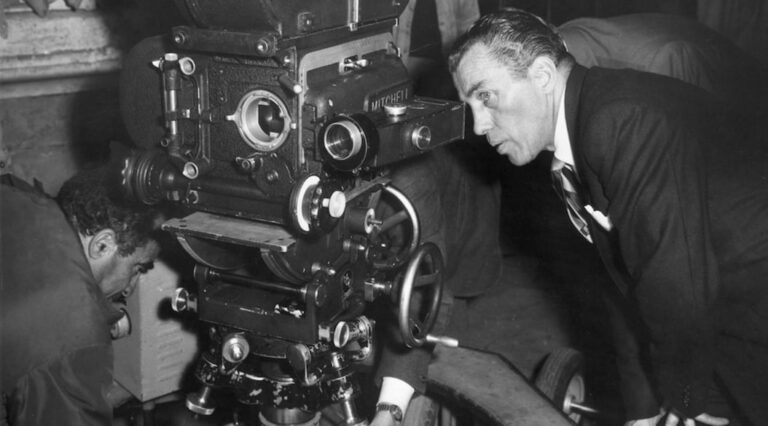
The world of journalism changed from before the digital era. With the advent of television, information and entertainment have walked hand in hand, reshaping news anchors into the infotainers(reshaping the landscape of television with its cutting-edge approach to Infotainment). Several of these figures had a solid background in journalism and brought their ethics within the razzle dazzle of video broadcasting. If we may consider Dan Rather the forerunner of whistleblowers, Ed Sullivan was undoubtedly the forefather of the infotainers. He was born in New York City in 1901 and worked as a journalist before becoming the iconic host of variety shows in the Thirties and Forties.
He went from sports reporter to Broadway columnist, then Master of Ceremonies of the Ball sponsored by the Daily News, and ultimately the host of the show that bore his name. The Ed Sullivan Show was the longest-running TV variety programme in history, being broadcast for 23 years from 1948 to 1971. Furthermore, it attested Ed Sullivan’s star-making power, because all the performers that passed through his show became household names, and these include The Supremes, The Beatles, Jerry Lewis, Elvis Presley and even the Italian anthropomorphic mouse puppet called Topo Gigio.
For over two decades, Ed Sullivan hand-picked every entertainer who appeared on his Sunday night show, counting more than 10,000 performers, across 1,100 episodes. Sullivan left his bequest in America’s popular culture, that was picked up by those who followed in his footsteps like David Letterman and Stephen Colbert. But besides being trailblazing in infotainment, Sullivan broke barriers by booking artists of African descent, becoming an influential supporter of the Civil Black Movement. Sacha Jenkins’ documentary spotlights with utmost sensitivity the TV pioneer’s legacy of equality.
Netflix’s Sunday Best is not an ordinary biographical documentary, it captures the cultural revolution that Ed Sullivan propelled thanks to his talent and sensibility. His debut on the small screen occurred in the early days of this new medium, that came on the heels of radio, inheriting some of its worst characteristics. Amongst these was discrimination towards Black people, with blackface sit-coms such as Amos ‘n’ Andy. But Sullivan changed everything by inviting on his show African-American performers like Sammy Davis Jr, Louis Armstrong, James Brown, The Jackson 5 and Tina Turner. Bojangles was dancing on film and became friends with Ed Sullivan, he was the first performer to open his show and paved the way for more vaudeville artists such as Cab Calloway, Peg Leg Bates, Ella Fitzgerald, Lena Horne and Nina Simone. Sullivan was a door for Black artists to be seen, from the 13 year old Stevie Wonder performing Fingertips, to Miriam Makeba singing in her indigenous language.
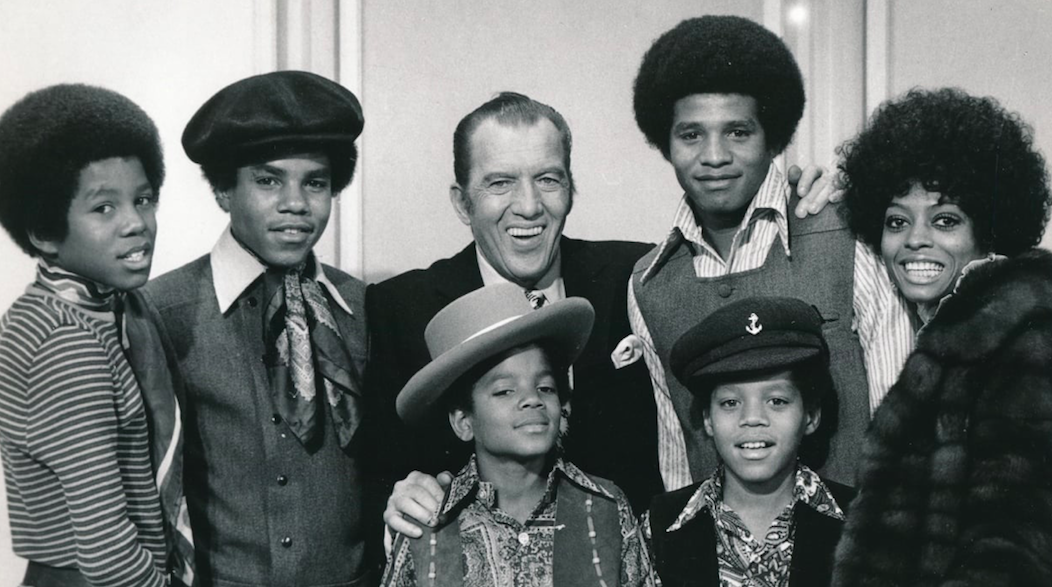
Ed Sullivan was fearless, he didn’t care if the masses opposed his vision of inclusivity. He was born in Harlem and resented racism against Blacks, because he had gone through the same discriminations against the Irish, from which he descended. His ethics were forged during his childhood, with his father who taught him to respect the needs of the underdog. This marked Ed Sullivan’s distinctive attitude, refusing to compromise with people he despised.
Sunday Best is well-founded in capturing how a white man in show business had an embracing reflection on the Black issue. The lucid praise on reel materialises through the craft of Sacha Jenkins, the fervid journalist, documentary filmmaker and multi-hyphenate artist, who contributed to shape Black identity through culture. His previous cinematic works included, Louis Armstrong’s Black & Blues, Word Is Bond and television series Wu-Tang Clan: Of Mics and Men. In his Sunday Best, the late Jenkins intertwines history with biographical instants, showing Sullivan’s boldness in supporting social movements and also his vulnerability — during his debut on the Toast of Town and the way he cherished his wife’s feedback after every episode. Amongst the various interviewees there are illustrious artists like Harry Belafonte and Dionne Warwick who underline how Ed Sullivan’s quintessentially American show helped to see Black people through a different angle, “because on tv everyone has a front row seat.” Sullivan was enterprising in his quest because he used the performing arts, specifically music, what Belafonte defines as “one of the great healers of life, the soother, the international language, the barrier breaker.”
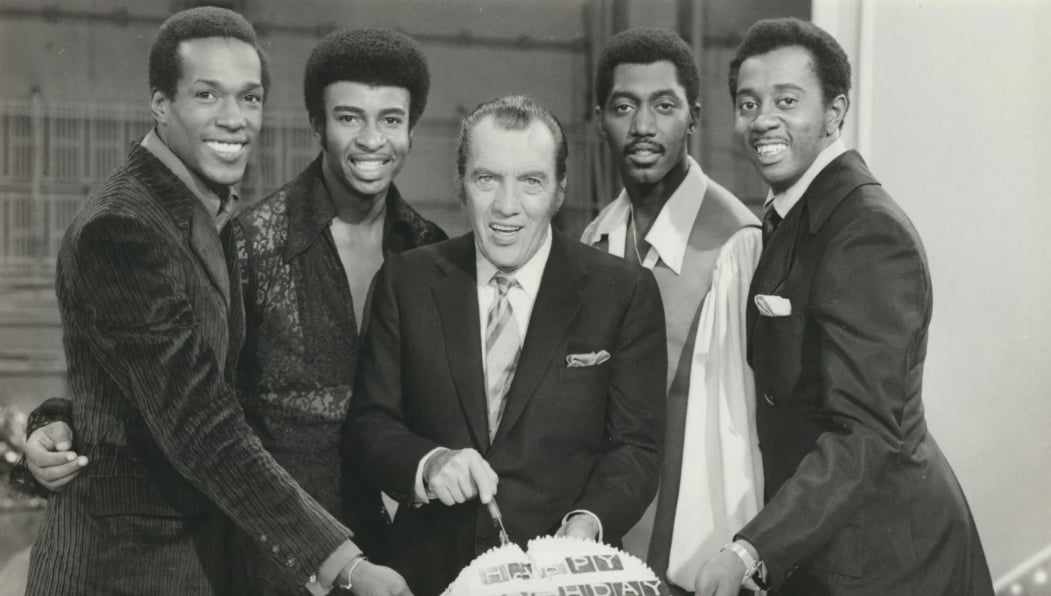
In 1971 The Ed Sullivan Show left the airwaves. Three years later, its host passed away. It was a Sunday night. The CBS variety show had an audience ranging from 35 to 50 million people weekly, bringing to spectators what they liked, and somehow educating them on social acceptance. It lead by example, by simply showing how the whole world would have been a better place if it could emulate the camaraderie of show business. Ed Sullivan had a humanist side to him, and Sunday Best shines a light on it by celebrating his career and elegant activism.
Final Grade: A
Check out more of Chiara’s articles.
Photo Credits: Netflix