

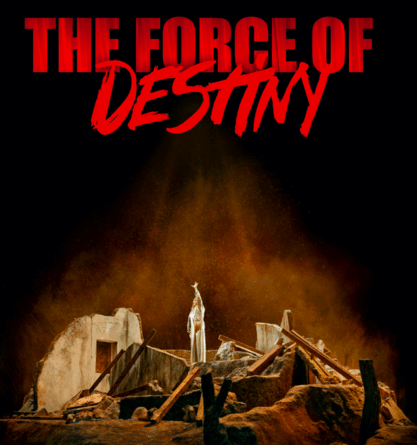
The season at Teatro alla Scala opens on December 7th, on Saint Ambrose (Sant’Ambrogio), the feast day of Milan’s patron saint. Since the inauguration of the opera house in 1778, La Scala has maintained its reputation as preeminent meeting place for noble and affluent Milanese people. Anissa Bonnefont’s latest documentary film La Scala: The Force of Destiny captures this lyrical tradition by chronicling the preparations for the Opening Night of 2024, with an opera by a Milanese worldwide pride: Giuseppe Verdi.
The Italian composer’s musical talent was equal to his sensitive philanthropy. This is attested by Casa Verdi, the retirement home he built to accommodate elderly musicians who were unable to support themselves. This is where he is buried with his wife Giuseppina Strepponi; and where his first wife Margherita Barezzi and his friend Teresa Stolz also rest. The love for the Maestro still shines through Verdi enthusiasts today, who make his glorious music live on. Just recently, at the 2026 Academy Awards the song Sweet Dreams Of Joy, from the documentary Viva Verdi!, made the Oscar shortlist for Best Original Song.
The curious trait about his opera The Force of Destiny (La forza del destino) is the legend that it brought bad luck. The most fervent music lovers avoid mentioning it and call it by other names, such as ‘The St. Petersburg Opera,’ referring to the first edition of 1861, some simplify it to ‘The Power of Fate,’ whilst the more superstitious opt straight for ‘The Unnamable.’ The list of recorded disasters is lengthy, starting with the premiere in Russia, commissioned by the Tsar, which was cancelled due to the prima donna getting sick. Shortly after, Francesco Maria Piave, author of the libretto, suffered a stroke. Through the course of time there have been countless on-stage accidents, including the one that occurred on March 1960, when baritone Leonard Warren collapsed on the stage at the Met and died, after singing the aria “Morir, tremenda cosa” (To die is a tremendous thing). Ill-fated history also intertwined with this opera. Hitler was invading Poland when La forza del destino was performing in Warsaw, and Japan was shaken by an earthquake when the Maggio Fiorentino Orchestra performed it in Tokyo in March 2011.
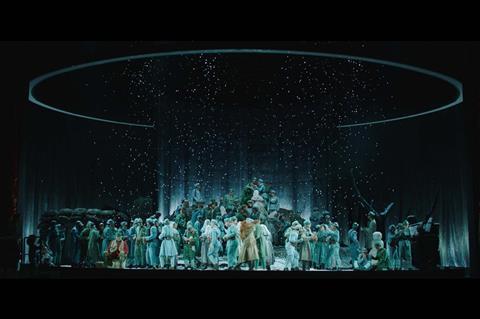
The plot of the opera itself begins with a curse and ends in a bloodbath. But truth be told the prejudice surrounding this opera stems from a linguistic misunderstanding, as explained by opera historian Emilio Sala: “At the root of that barrage of tragedies is a banal accident: a pistol falling to the ground fires and kills the heroine’s father. A shamelessly coincidental event ennobled by the term ‘destiny,’ when in actual fact it was just pure bad luck. Hence the label of a doomsayer opera. It’s the power of bad luck that sows terror.”
Contrariwise, the opera is so beautiful and unique that it did Verdi a world of good. After more than twenty years of rupture with La Scala — with which he had clashed furiously during the time of Joan of Arc — La forza del destino marked his definitive reconciliation with the theatre and the city. For the occasion, he wrote a second version, a new overture, but above all, he changed the ending. Alvaro no longer commits suicide by invoking the devil and cursing all humanity, but accepts his sentence to life and remorse in the name of a Christian resignation. This new version triumphed at La Scala on February 27th 1869.
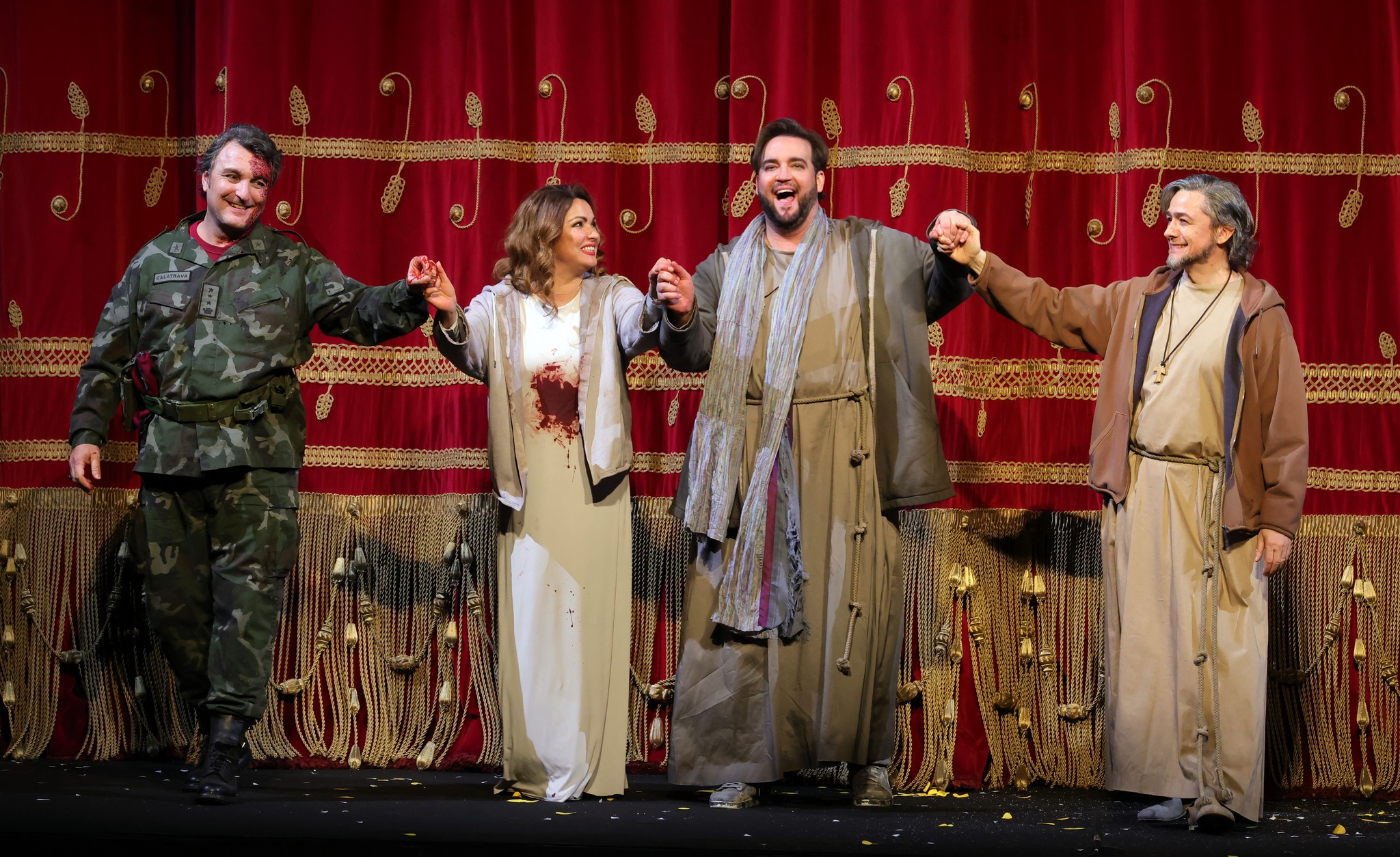
Fast-forward through time, we get to the subject of Anissa Bonnefont’s film: the preparations for the representation of Verdi’s masterpiece that opened La Scala’s 2024 season. We take a peek behind the curtains, and our tour begins 80 days before the opening. The re-staging sets the four acts in four different eras, to make the story a universal parable. Choir rehearsals, dance improvisation sessions, art production and costume divisions in action. Little by little, we see this extraordinary work come into being. Maestro Riccardo Chailly and stage director Leo Muscato, work their craft with Soprano Anna Netrebko, Baritone Ludovic Tézier and Tenor Brian Jagde; along with the nine hundred artisans, dancers, musicians and technicians who ceaselessly toil until the world’s most iconic season opening. The countdown leads all the way up to the eve of December 7th, that is not just a Milanese date to mark on the calendar; it’s a matter of national interest since the event is filmed by RaiTV and broadcast live on Rai 1, every year.
Anissa Bonnefont’s cinematic reportage is beautified by Martina Cocco’s cinematography, while the film’s script is brought to life by chief editor Guerric Catala. The contemporary music of Jack Bartman accompanies the masterful compositions of Verdi, with a perky touch of an Eighties music hit like Ryan Paris’ Dolce Vita. Juno Films — who has picked up U.S. distribution — has grasped the magic in Anissa Bonnefont’s tour de force inside a collective artistic creation. The audience will live every suspenseful moment of each department, along with the possibilities of the representation being misunderstood for its visionary mise-en-scène. The creative hive works relentlessly and the result is rewarding, as much as its Metarepresentation by Bonnefont. We go beyond the stage extending to the cinematic lens of a cineaste whose earlier films include the TriBeCa award-winning documentaries Wonder Boy, Nadia and the feature film La Maison starring Anna Girardot.
La Scala: The Force of Destiny will bedazzle opera lovers around the globe because — as one spectator who witnesses the theatrical rehearsals said — it’s a “human show for human beings: in it there’s a lot of humanity.”
Final Grade: A
Photos credits: Juno Films