

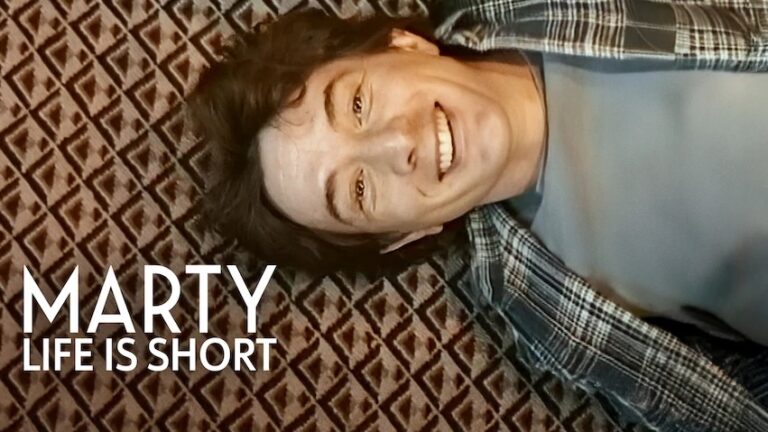
Netflix documentary Marty, Life Is Short, directed by Lawrence Kasdan, retraces Martin Short’s art and career across film, television, theatre and comedy.
The Canadian actor — who gained prominence for his roles in sketch comedy before exploring film sets and Broadway stages — has lived what one would consider a full life. He was surrounded by love since his childhood. His family cultivated his self-esteem: everyone cheered this fifth kid, who would entertain the entire family with his “attic performances” at the age of 5. Later on, he would pass on this warm heartedness to his wife and three children.
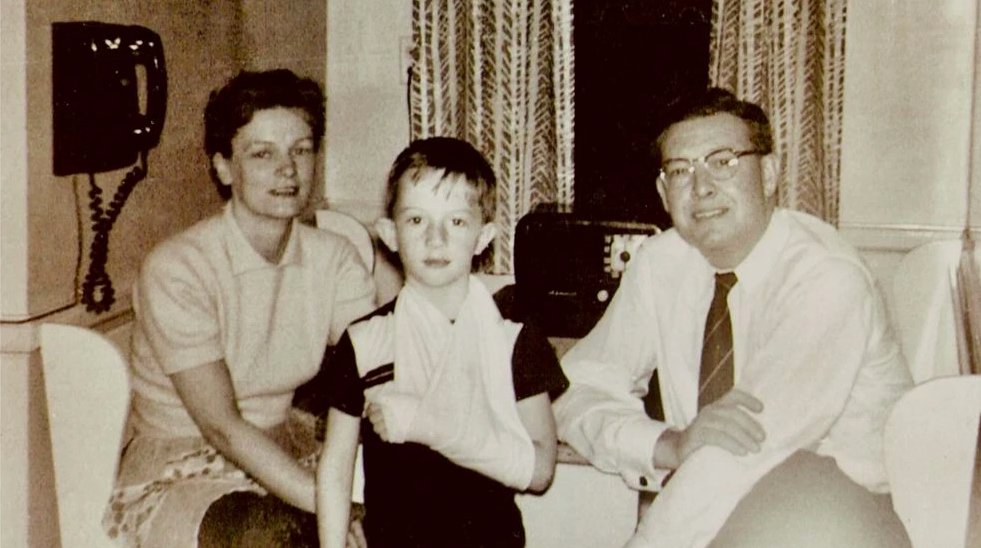
The documentary begins on Boxing Day. There’s an array of cinema colleagues who are friends constituting the extended Short family, populating Marty’s home in Snug Harbor who enjoy goofing around with him. Talking heads and old footage alternate the storytelling, that retraces the way Marty managed to lead his existence through laughter, despite life tossed at him several losses. The death of his brother David occurred when Marty was 12, then his mother passed away when he was 18, and ultimately his father’s death occurred when he was 20. Marty learnt to seize the day at a young age, which taught him, as he put it, to “maintain the merry theme of life.”
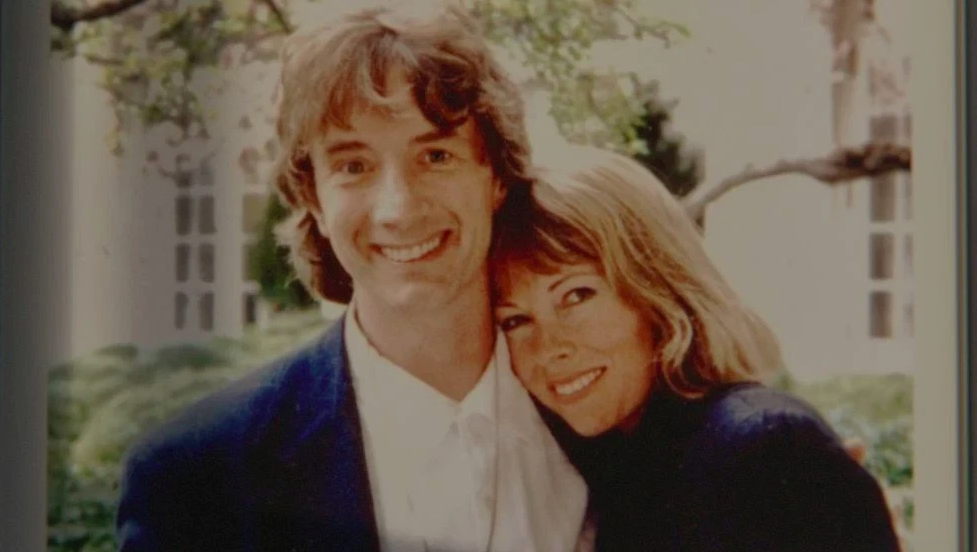
He managed to build a joyous nest with the love of his life Nancy Dolman. The two held the benchmark of what a happy couple should be, to the point that all of their friends would aspire to a love like theirs. She had a promising start to show business as well, and always laughed genuinely at Marty’s sketches: she was his biggest fan. They were an amazing team, with Martin as “the outer child” and Nancy as “the outer adult” who had “such loving authority.” The envy of the Gods struck them, first with the difficulty in having children, which was circumnavigated with the adoption of three marvellous kids, but later in life sorrow hit hard on their family, when Nancy lost her battle to cancer.
Once again, being of the road with his art became therapeutic for Martin. He acknowledged that “loss is something to negotiate.” In a way it would seem fitting to consider him the epitome of the sad clown paradox, for the way his performative art would become the mask to his inner turmoil.
Also his career had ups and downs with: SCTV being cancelled; his choice of ending his collaboration with SNL; his comedic movie hits always being surpassed at the box office by other films; his theatrical shows that would surprise audiences who underestimated his singing skills. Throughout his lifetime, besides his wonderful relatives, Matin Short created a warm network of genuine friendships. These are the people with whom he would improvise impersonations or reenactments of famous films such as Butch Cassidy and the Sundance Kid, or invite to his Yuletide celebrations where each guest had to prepare a performance. These special friends include the likes of Steve Martin, Catherine O’Hara, Goldie Hawn, Tom Hanks, Rita Wilson, Kate Capshaw and Steven Spielberg.
The charm that Martin Short exudes, throughout this cinematic portrait, is his humble enthusiasm towards his craft that he defines an “unusual little art.” He claims success came as an outcome of talent, luck and endurance. His relentless perseverance is attested by the way he would always stand up for a gig without being ashamed of failing. Amongst his various comedic characters the most iconic that has made an impression in all types of spectators is Jiminy Glick, a grotesquely obese entertainment journalist who interviews celebrities through insult comedy.
Marty, Life Is Short is an ode to resilience through joie de vivre. Laughter is good for the soul, and makes everything bearable. As E.E. Cummings once said “The most wasted of days is the one without laughter,” and Martin Short has put in practice this philosophy in an exemplary manner.
Photos are courtesy of Netflix
Final Grade: B+