

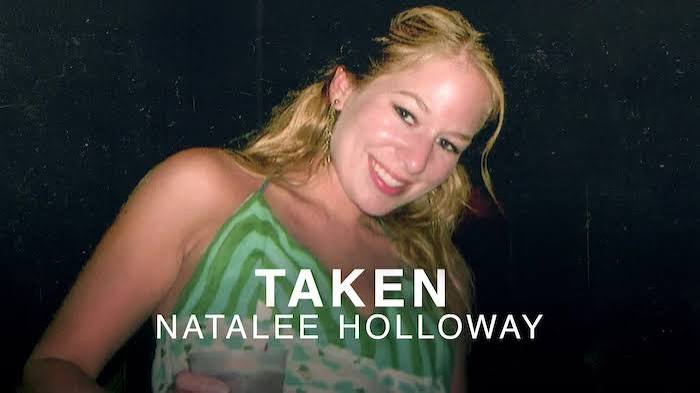
Even though gender-based crimes have always existed the term femicide is only 200 years old. It was first documented in 1801, in an English book by John Corry, A Satirical View of London at the Commencement of the Nineteenth Century, where it referred to the the killing of a woman. However, it was in 1976 that South African-born feminist scholar Diana E.H. Russel brought this word into modern public debate when she used it at the International Tribunal on Crimes Against Women in Brussels. She wanted to distinguish the gender-related killing of women from the more general term homocide, drawing attention to misogyny and violence against women. If a woman is killed — just like a man — during a robbery for the purpose of stealing something, it does not fall under the name of femicide, which instead defines a murder of women who refused to behave according to men’s expectations.
Today the growing presence of this term in public discussion reflects increased recognition that violence against women can be connected to gender inequality and discrimination. A new Netflix mini-series explores one of these harrowing crimes through 3 episodes, retracing the atrocious death of Natalee Holloway in 2005, and the case that followed for almost 20 years.
Taken: Natalee Holloway describes how an 18-year-old American student disappeared on May 30th 2005, during a high school graduation trip to Aruba in the Caribbean. She was last seen leaving a nightclub with Joran van der Sloot and two other young men (Deepak and Satish Kalopoe). Her disappearance triggered an international investigation, but her body was never found. For years, van der Sloot gave conflicting accounts of what happened. In 2023, he admitted to killing Natalee while pleading guilty in the United States to extortion and wire fraud involving her family. Despite this confession, her disappearance remains a tragic case that raised serious questions about violence against women and the difficulties of achieving justice when crucial evidence is missing. The only sigh of relief was that Natalee’s family and friends could finally mourn her and have closure on a torturous emotional journey that lasted for 18 years.
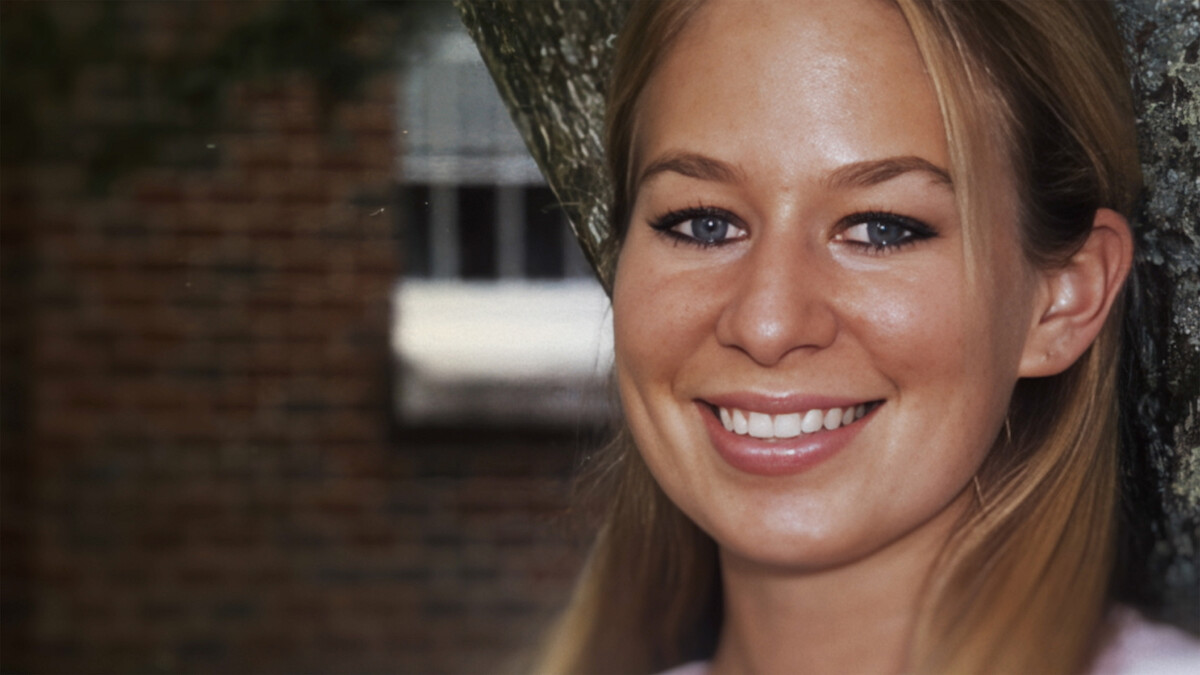
The choice of separating the storytelling into three blocks, of about half an hour each, allows viewers to take a breaks from the gruesome account of the events. At the same time, however, this fragmented structure results in a form of scattered reportage that might have been more effective as a single, cohesive documentary, like the 2009 TV Movie Natalee Holloway directed by Mikael Salomon; its 2001 sequel Justice For Natalee Holloway directed by Stephen Kay; the 2024 documentary Pathological: The Lies Of Joran van der Sloot directed by Christopher Cassel.
Some Italian femicides, that have attracted widespread media attention, have been translated into audiovisual storytelling more effectively. The case of Chiara Poggi — the 26-year-old woman murdered in her family home in Garlasco in 2007 and whose boyfriend Alberto Stasi was convicted for her murder — was chronicled more effectively through TV documentary specials in a feature-length format. Similarly, the case of Giulia Cecchetin — a 22-year-old Italian university student who was murdered by her former boyfriend Filippo Turetta in 2023 — inspired the narrative film Se Domani Non Torno (If I Don’t Come Back Tomorrow), directed by Paola Randi and presented at the 2026 Rome Film Festival.
Ultimately, Taken: Natalee Holloway falls short of doing justice to the case it sets out to reconstruct — not necessarily because of the quality of the reporting, but because of its choice of format. The short episodic structure, rather than deepening the investigation or providing a more comprehensive account, seems to fragment a story that might have benefitted from the continuity of a feature-length documentary.
Nevertheless, the series directed by Dani Sloane and Matthew Galkin is an absolute must see to keep public awareness alive around both past and present cases of femicide, while helping educate young men about gender-based violence. And if education alone is not enough, it serves as a reminder that justice may be delayed, but perpetrators cannot escape accountability.
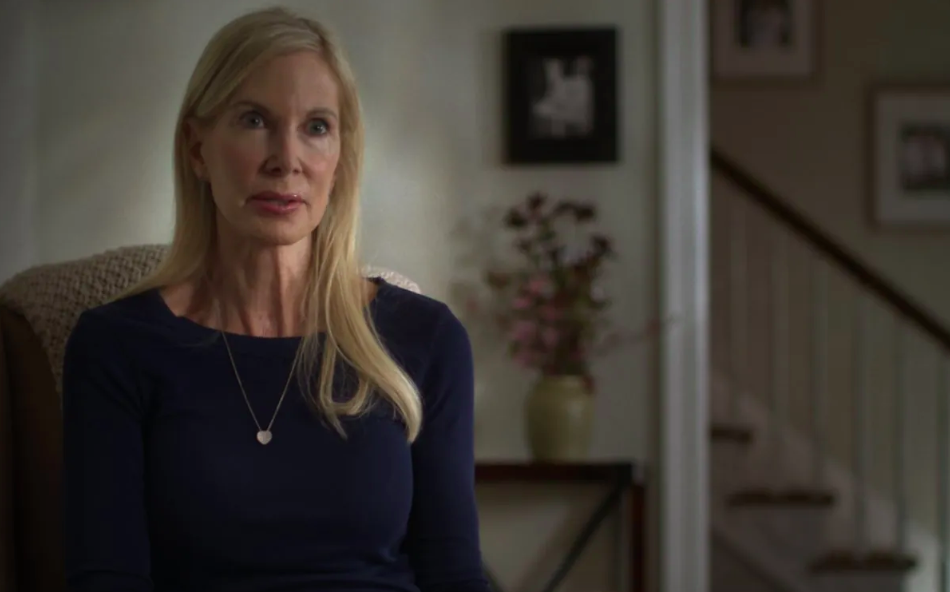
Taken: Natalee Holloway encourages society to examine misogyny, gender-based discrimination, domestic abuse, or a desire to control a woman. The series clearly shows the distinction between a homocide — that tells us a life has been taken — and femicide, inviting us to examine the gender-based reasons behind the killing.
Final Grade: B
Check out more of Chiara’s articles.
Photos: Courtesy of Netflix