


©Courtesy of Film Movement
Kids always pick up on more than their parents realize. That is especially true of eleven-year-old Fuki Okita. She fully understands that her father Keiji is dying from cancer and that her mother Utako is dealing with it badly. In fact, she often rather awkwardly acknowledges these facts to her increasingly stressed-out mom. However, some aspects of life are still too “adult” for her to completely comprehend in Chie Hayakawa’s Renoir, which is now playing in theaters.
For obvious reasons, young Okita is so preoccupied with death, she writes a short story about her own funeral for school. Frankly, she has some Wednesday Adams vibes going on, even though she is too temperamentally conservative to adopt the goth style. She even experiments with magic, mind-reading, and hypnotism. In fact, her mesmerism elicits a dramatic confession from her school friend’s mother, in one of the film’s most arresting scenes.
Indeed, like many 80’s kids, Okita has a knack for entertaining herself. Nevertheless, Okita is clearly a “daddy’s girl,” who struggles to relate to her mother. Similarly, Utako has been rather difficult to be around lately. In fact, her company enrolled her in an anger management class because she allegedly berates her subordinates. Frankly, this sounds more like the 2020’s than the 1980’s, but regardless, it means her mother is not super-present. That leaves her daughter the space and time to indulge her curiosity, including, somewhat ominously, adult dating lines.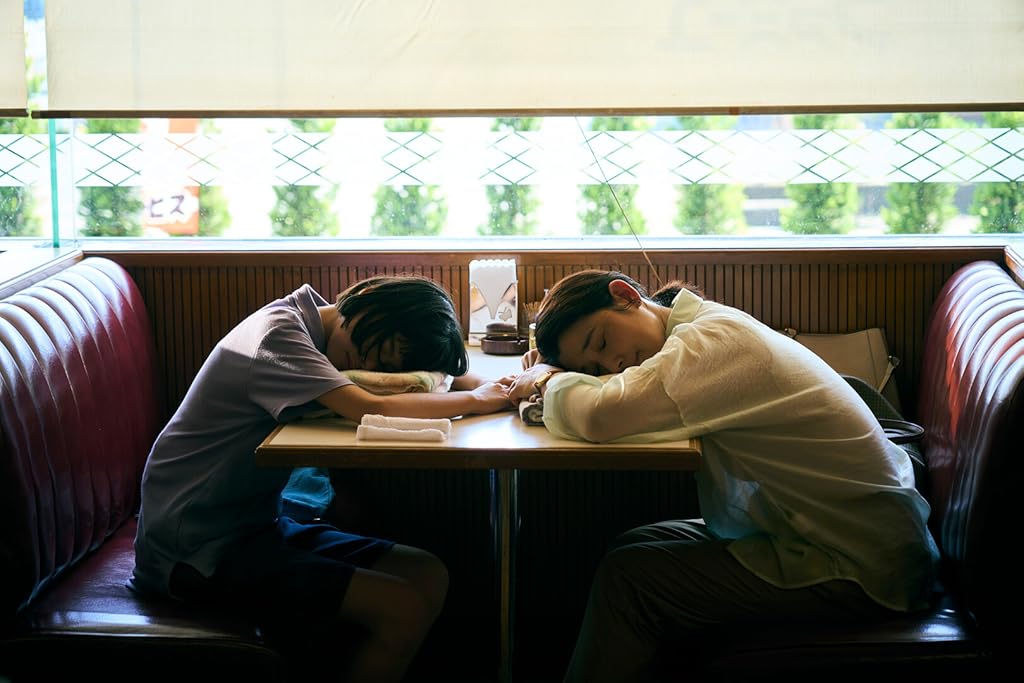 ©Courtesy of Film Movement
There are moments of exquisite beauty in Renoir, but sometimes Hayakawa gets too bogged down in mundane details. The pace is certainly unhurried, which isn’t necessarily a bad thing, but it cannot equal the profound insights and genuinely moving spirit of forgiveness that distinguished her first film, the brilliant dystopian drama Plan 75. (Seriously, the pro-life movement really missed the bus on that film, because it might be the potent critique of euthanasia ever immortalized on film.)
Nevertheless, youthful Yui Suzuki’s performance as Okita is remarkably true and unaffected. Likewise, Hikari Ishida’s portrayal of her mother is brutally honest and uncompromising. Yet, some critics might not fully appreciate Ishida’s work, because it lacks the showiness necessary to wake them up out of their slumbers.
Furthermore, Lily Franky delivers a heartbreaking character study as the declining Keiji. Initially, his efforts to take control of his medical care appears empowering, but it gives way to a sad, desperate gullibility. In all honestly, Franky might be one of the most reliable and accomplished thesps currently working internationally. His contributions to Renoir further buttress that contention.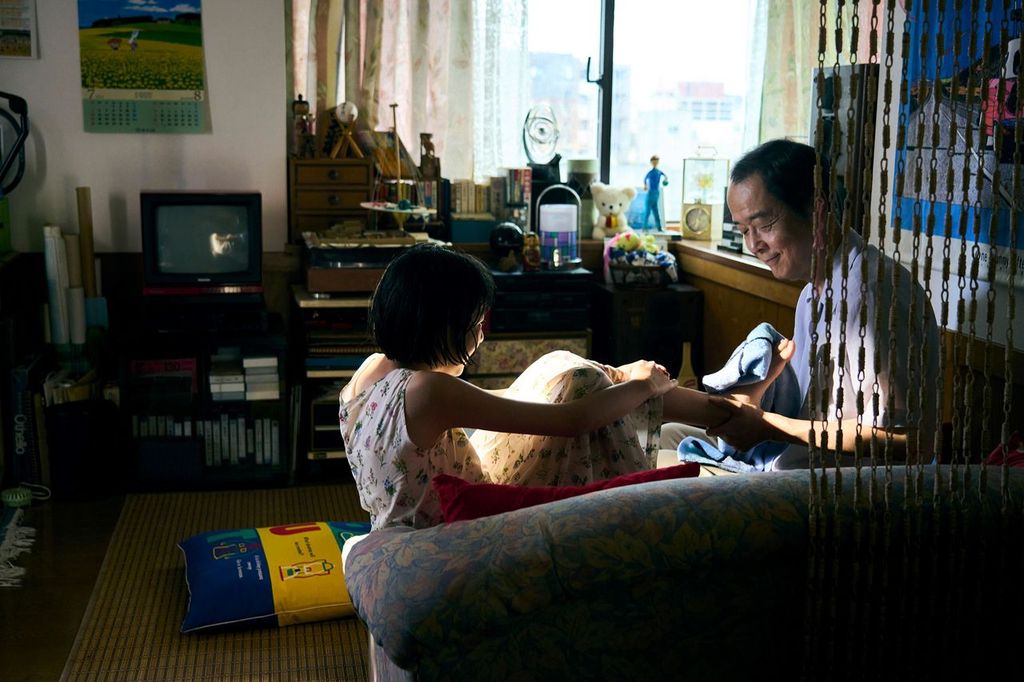 ©Courtesy of Film Movement
Understandably, you might wonder why the title, Renoir? It refers to a brief lesson in art history Okita receives in the hospital while she waits for her father, but its significance still remains somewhat inscrutable. Yet, Hayakawa captures a sense of the impressionistic nature of youthful memory, particularly during times of high stress and drama. Perhaps Renoir will just be one of those things Okita associates with this time of her life.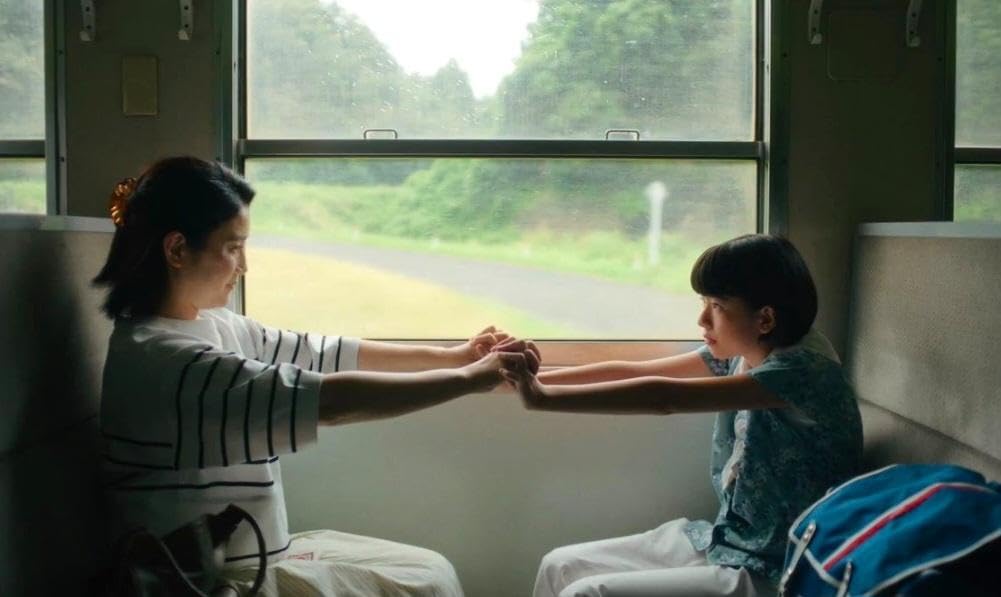 ©Courtesy of Film Movement
Be that as it may, Hayakawa portrays juvenile characters with great sensitivity and sympathy. As it happens, she treated her senior characters with similar respect in Plan 75. While slightly tighter discipline would have benefited Renoir, its keen humanism lands with considerable force. Recommended for admirers of emotionally complex coming-of-age dramas, Renoir is now playing in theaters.
Grade: B+
If you like the review, share your thoughts below!
Check out more of Joe’s Articles.
Here’s the trailer of the film.