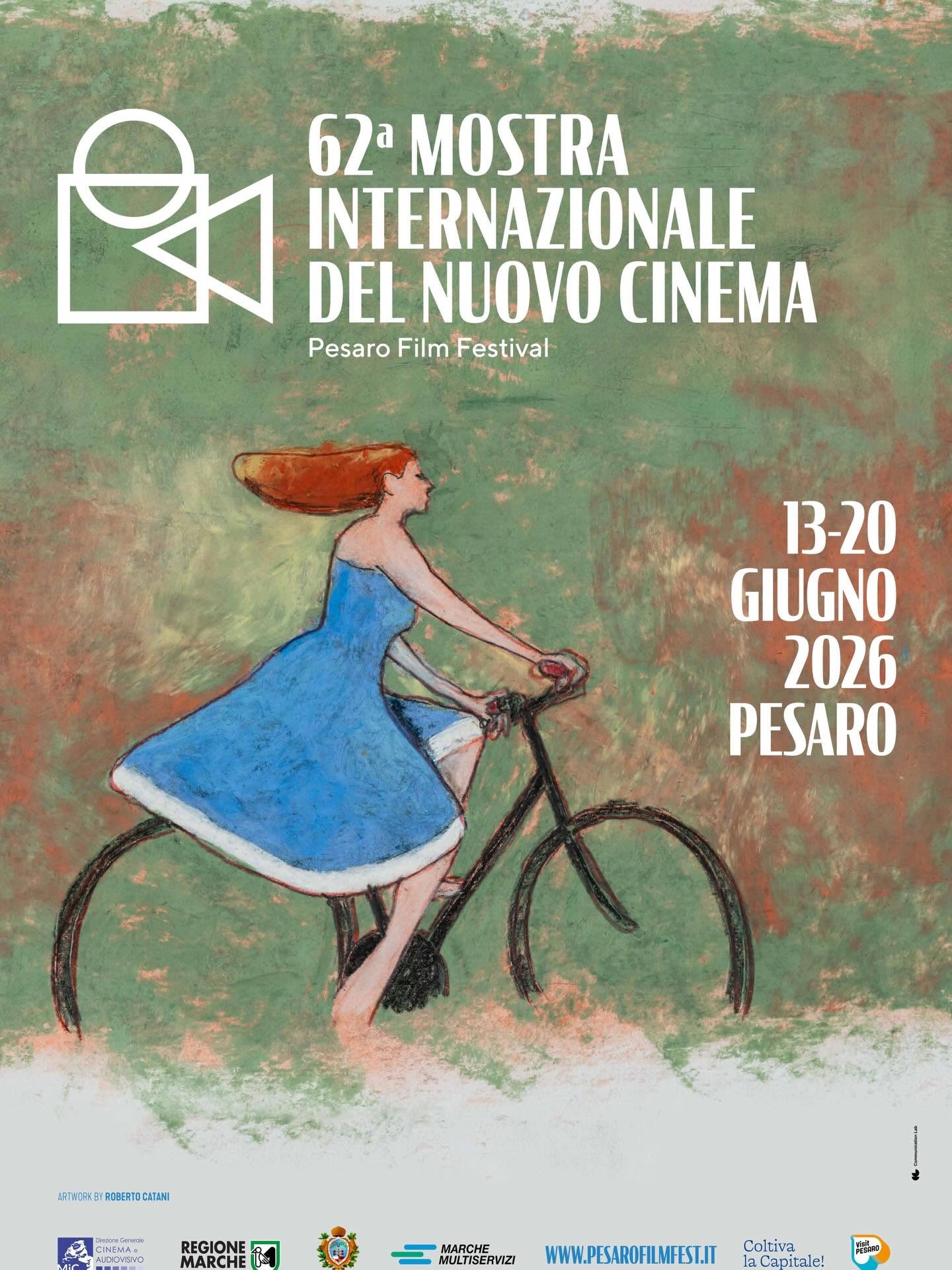
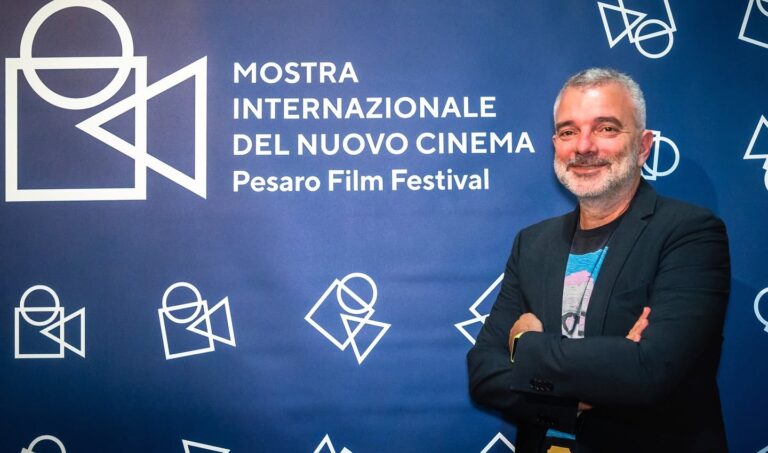
The 62nd Mostra Internazionale del Nuovo Cinema di Pesaro took place from June 13th to June 20th 2026, with Pedro Armocida as Artistic Director for the eleventh time. This festival — founded by Italian film critic and film historian Lino Miccichè — is one of the most important Italian film festivals, representing an alternative to the Venice Film Festival for what concerns both the political view and the choices of films. Amongst the co-founders there was also film critic Bruno Torri, who just recently passed away on July 11th at the age of 94, and will be remembered for having shaped it into one of the most prestigious and innovative festivals on the international scene.
During the first four years (1965-1968), the festival established itself as a beacon of cinematic renewal, with the likes of Roberto Rossellini, Bernardo Bertolucci, Jonas Mekas, Jerzy Skolimowski, Jean-Luc Godard, Pier Paolo Pasolini, to mention a few. Staying true to the festival’s identity, the 2026 line-up gathered a selection of motion pictures and guests that discussed the broad potential of the cinematic craft, without following the film star system.
In this Exclusive Interview the Artistic Director of the 62nd Pesaro Film Festival, Pedro Armocida, shares his thoughts on this year’s cinematic kermesse:
You’ve been the Artistic Director of the Pesaro Film Festival since 2015, how do you ensure you maintain a curious mindset and what is your proudest achievement of this year’s edition?
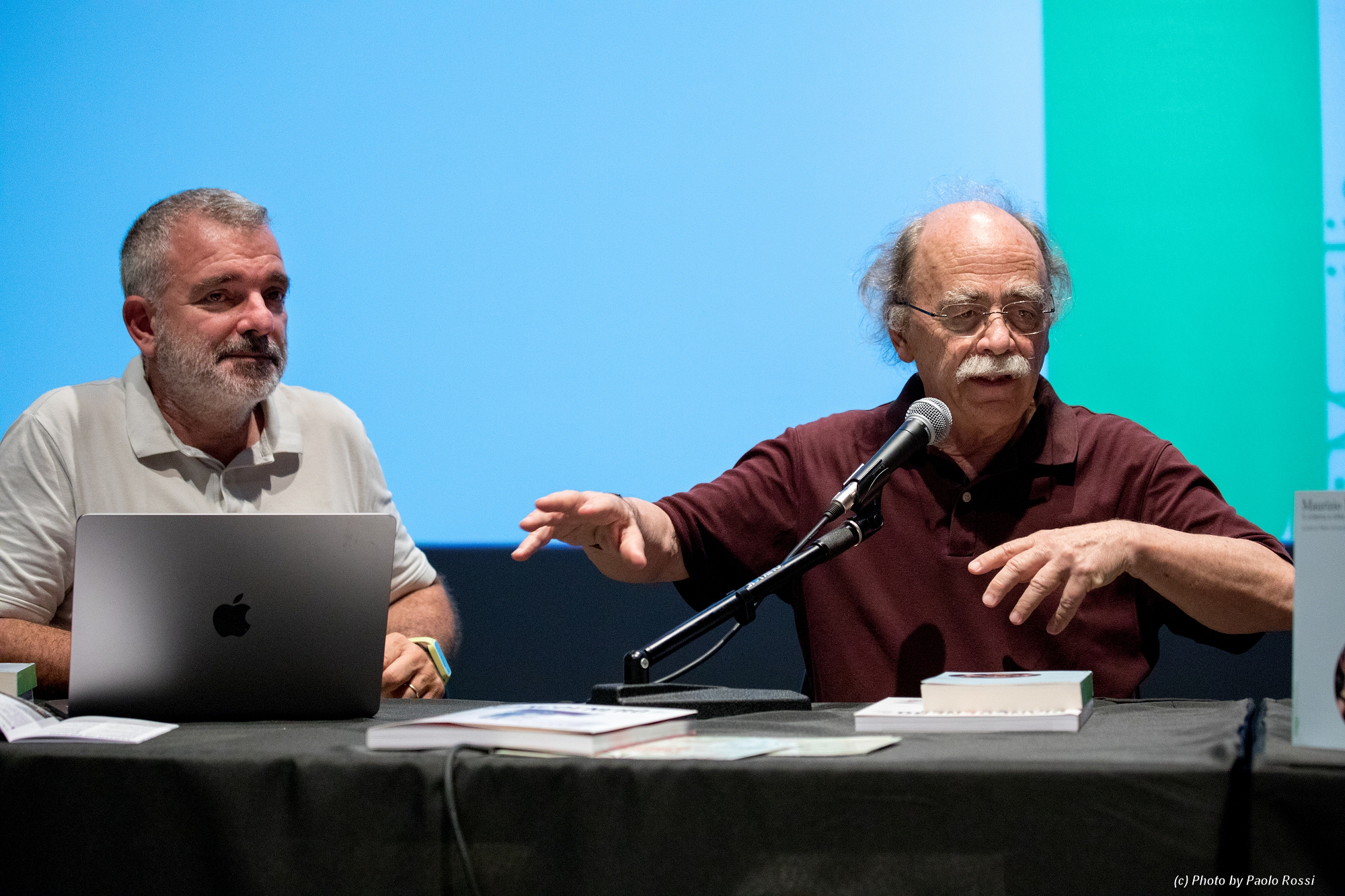
Curiosity is the first thing that keeps you going in this profession. With cinema, the good thing is that every film is a new and different journey, so there’s always the opportunity to renew your perspective. What I’m most proud of is having managed to organise a tribute to a great filmmaker like Maurizio Nichetti, not only with a comprehensive monograph and his presence, but also with a complete retrospective of all his films, a challenge these days due to the well-known problems with prints of older films.
Prior to this role you were the Managing Director of this festival for 14 years, which makes you the one who shaped it the most through its history. What are the biggest changes you’ve witnessed in the way it has reshaped itself through time?
The challenge for a historic festival like Pesaro lies in reconciling the festival’s identity, embodied in its name and its commitment to promoting new, especially experimental, cinema, with an accessibility to a more popular range of films. In this regard, the Festival’s major changes have involved the opening of new spaces: the large open-air Cinema in Pesaro’s main square in the year 2000, Cinema on the Beach that began in 2015, the Pesaro Film Festival Circus that was launched in 2022, dedicated to children, and the events in the Maddalena Church that are open to cross-pollination between arts, video dance, music videos, video essays, and music documentaries.
How many submissions did you sift through with your programmers and how many films made the 2026 selection?
The submitted films were 500 films, both short and feature length. We selected 14 of them, also as a result of the research carried out by the selection committee.
The Opening Film, The Name Of The Rose, brought Jean-Jacques Annaud’s adaptation of Umberto Eco’s novel back to audiences after 40 years, how important is the retrospective element for this festival?
Every year, I like to dedicate a special space to a popular film celebrating its anniversary. This year, The Name of the Rose was born thanks to a prestigious initiative by Rai Cultura, which produced two specials on the film we screened. A retrospective look at the film is essential for a festival to showcase great cinema on the big screen to new generations.
This edition was also a celebration of the film pioneers of our era, with guests such as William Raban, with his use of 16mm, and Maurizio Nichetti, whose physical comedy anticipated the fast-paced visual storytelling of the digital era. How have figures like these shaped the evolution of the cinematic language and how do their innovations continue to resonate today?
Showing these films and introducing these artists to the world helps us understand how cinema is a flow of ideas that is constantly evolving. But it also demonstrates how highly original one can be by delving into the cinema of the past and constantly experimenting. This is the lesson that figures like Raban and Nichetti teach young people.
This year you enhanced the multidisciplinary aspect, by opening up to video dance, music, and the visual arts, how successful did it turn out to be with attendees?
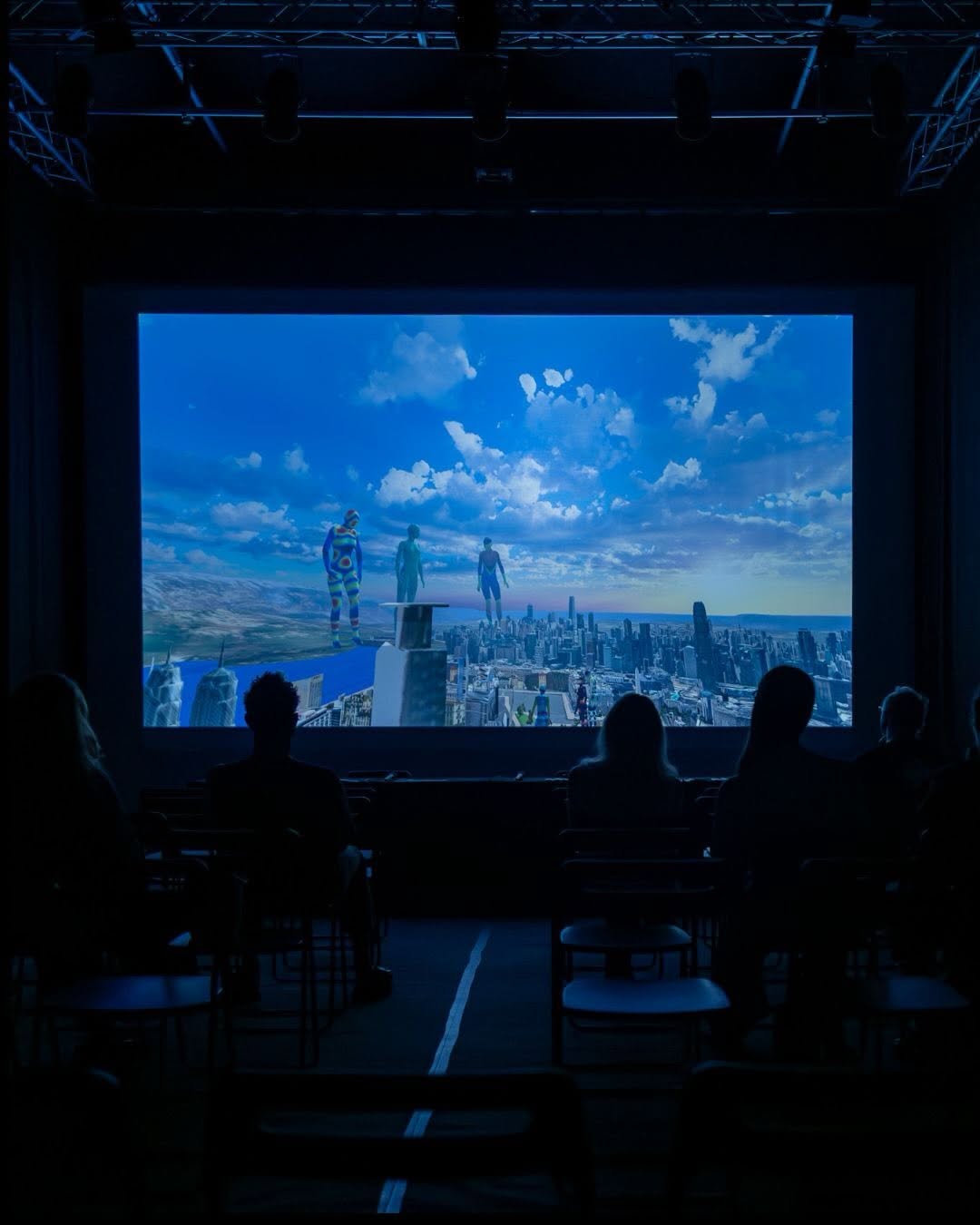
A festival envisions its sections by inserting them into screening venues. So it’s clear that this type of experimentation is possible in somewhat smaller spaces like the Chiesa della Maddalena, where audiences responded very attentively to the various offerings, including those related to Italian and European auteur animation.
You’re also President of AFIC (Association of Italian Film Festivals) and Vice President of the SNCCI (National Union of Italian Film Critics), how does your role as film critic influence your approach to directing a festival and vice versa?
I believe that film criticism can be achieved by writing reviews and essays, but also by selecting films, creating itineraries, and accompanying the films with editorial materials that delve deeper into the directors’ work. In this sense, almost all the artistic directors of major festivals have been film critics, and this calling is well reflected in the way they envision their events.
The festival’s awards were judged by three distinct juries: The International Jury, The Critics Jury and The Youth Jury. Since you are also a university professor, how important is it to have students involved in the critical debate concerning the film industry?
I think it’s a fundamental aspect of our work to involve young people. The Pesaro Film Festival has always had a privileged relationship with universities and in recent years it has launched various competitions specifically for students, such as the Lino Miccichè Prize for film criticism or (Ri)montaggi, dedicated to video essays. The idea of a student jury was born precisely from the desire to hear what young people have to say. When I became director in 2015, I wanted to organise a single jury: a student jury. It was a way of reinforcing this belief, to which the festival remains committed.
As member of the selection committee for the Academy of Italian Cinema – David di Donatello Awards — do you think the industry is starting to give more credit to independent cinema than in the past?
It is very difficult to establish what independent cinema is today, but the eight David di Donatello awards that went to Francesco Sossai’s Le città di pianura (The Last One For The Road) certainly demonstrate the jurors’ desire to reward a form of cinema that comes very close to our idea of what independent cinema is all about.
Mainstream cinema has lately laid back on successful stories, with remakes and sequels, rather than having the audacity to venture into new territories. How can a kermesse like the Pesaro Film Festival — that champions cinema as a field of experimentation — prompt the industry to push creative boundaries?
What a festival can do is showcase the cinema it believes in. In our case, this often identifies precisely with the films that emerge on the fringes of the industry, which we clearly believe are the ones that deserve the most support. Of course, the industry must appeal to a wider audience than that of a single film event, but it’s also true that the films presented by many festivals have created a sort of virtuous circle alternative to that of movie theatres. Therefore there is room for experimentation, and the industry should take this into account.
Check out more of Chiara’s articles.
Photo Credits: Courtesy of the Pesaro Film Festival