
Matteo Garrone’s 2023 Io Capitano intensely captured the odyssey of migrants who fled Africa to find better opportunities across the Mediterranean Sea. The film focused on the story of Fofana Amara’s journey before arriving to his promised land. Now there’s a documentary that has been travelling across the festival circuit that takes this theme a step further.
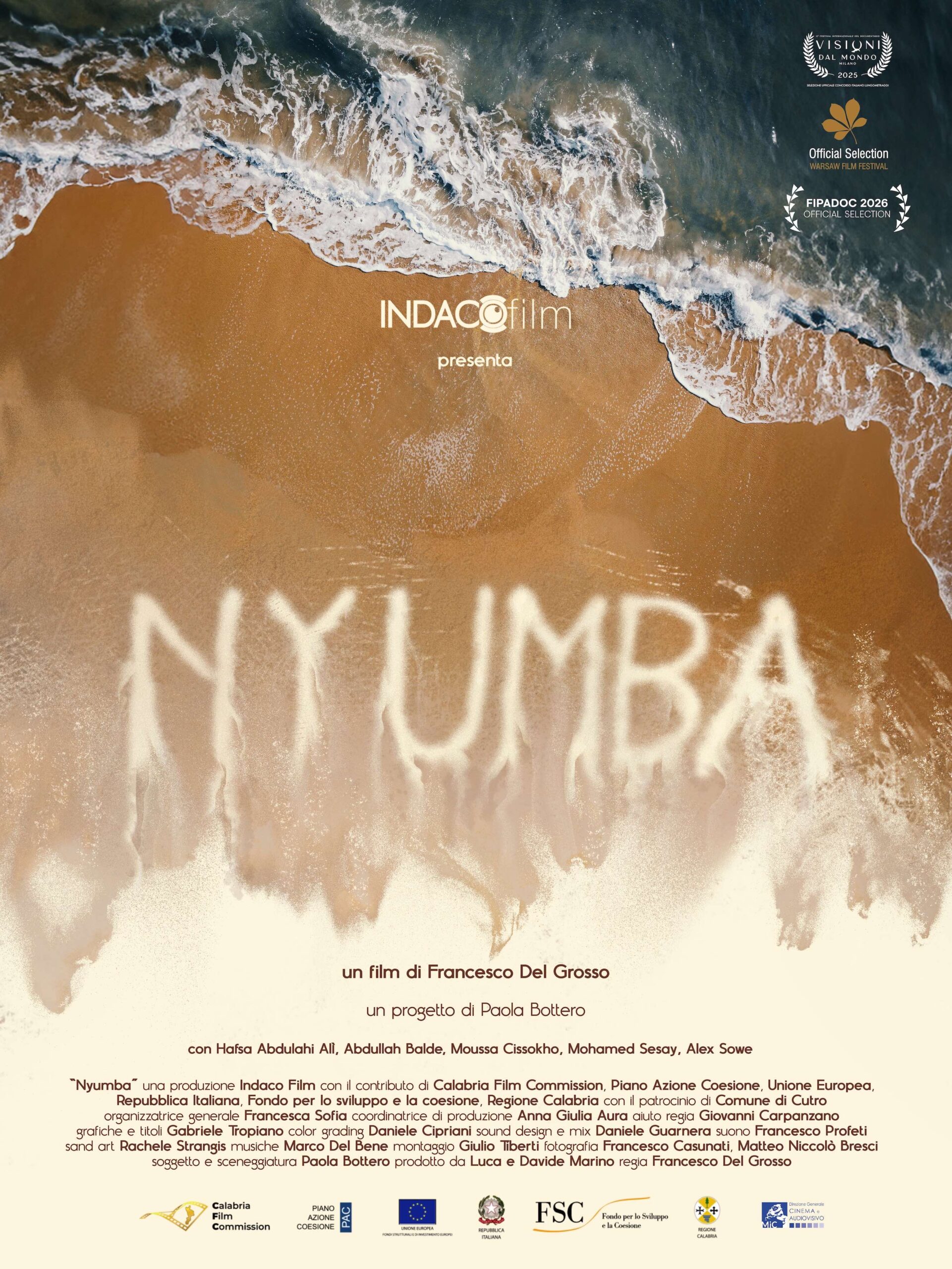
Nyumba, directed by Francesco Del Grosso, not only gives this subject matter a choral perspective, but continues the storytelling way after the migrants have arrived in Italy, by following their aftermath and integration in their new homes. The film — penned by screenwriter Paola Bottero and produced by Indaco Film with the contribution of the Calabria Film Commission — provides a humane and positive outlook on the stories that habitually flood the news with unfortunate endings.
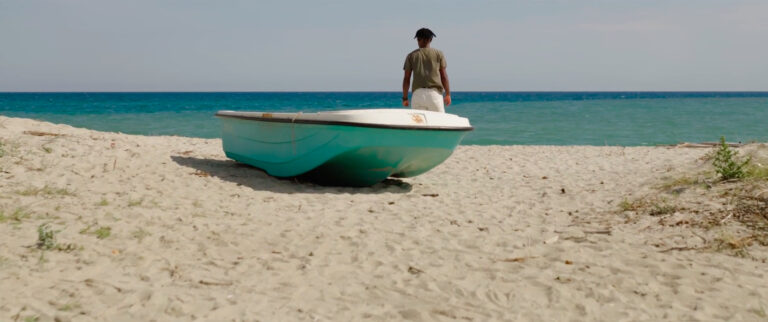
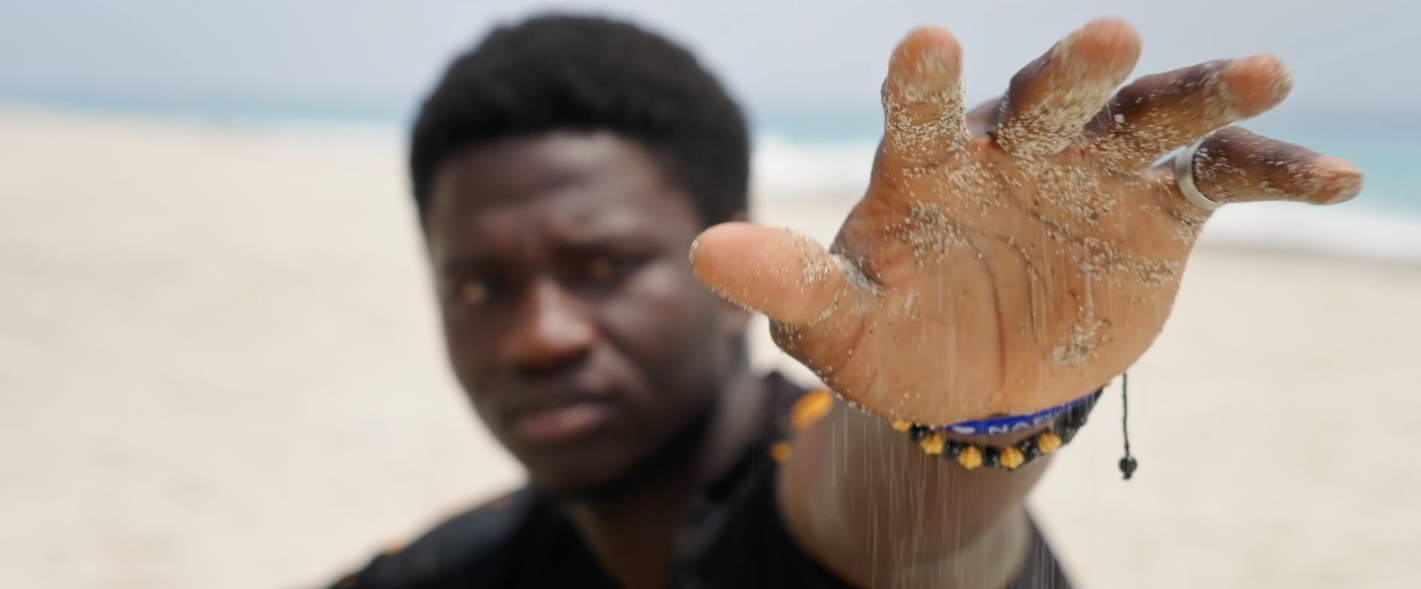
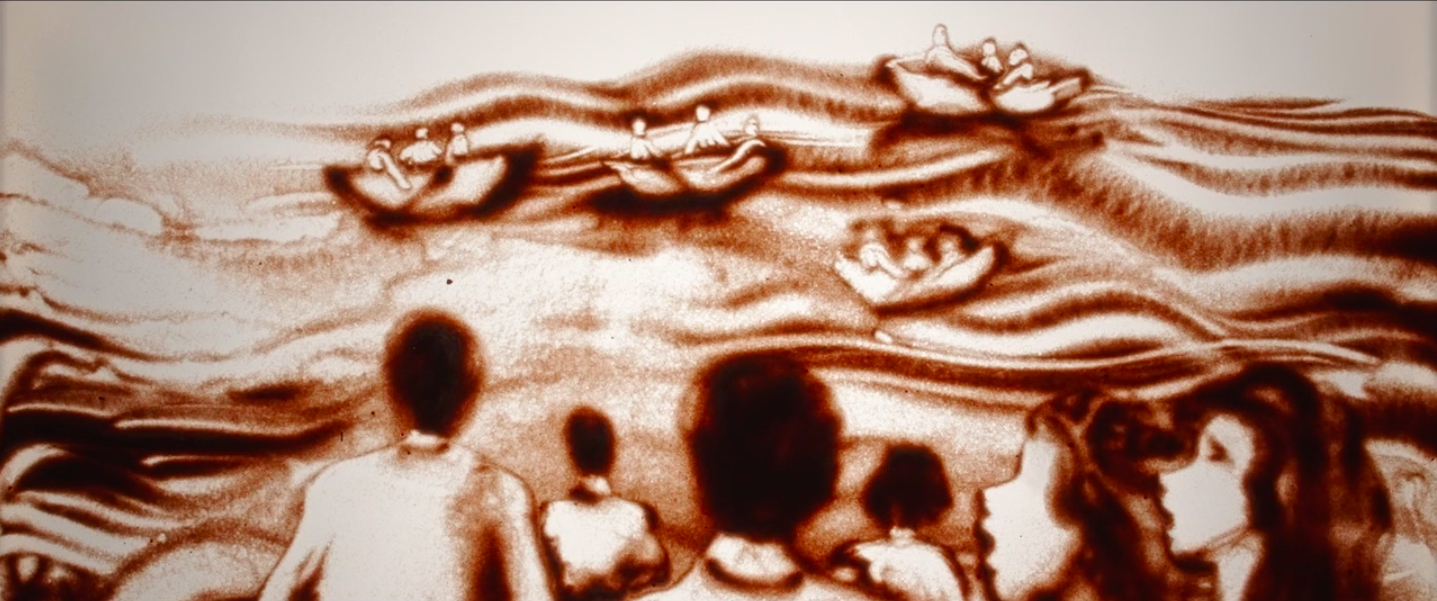
Abdullah Balde, Alex Sowe, Hafsa Abdullahi Alí, Moussa Cissokho, and Mohamed Sesay unite on the seashore of Cutro, nestled in the Italian region of Calabria, to share their personal tale of how they turned adversity around. Francesco Del Grosso finds a very poetic and unconventional storytelling to immerse viewers in the sequence of events that lead five migrants to arrive to Calabria: sand art. Rachele Strangis, uses her hands to drop grains of sand on a white background and portray the chain of events of each migrant. The voice-overs coalesce with the live sand animations, that come to life on the backlit surface. This technique is applied only to the chronicle of the winding journey from Gambia, Sierra Leone, Senegal and Somalia to Cutro, before settling in Lamezia Terme, Reggio Calabria, Soveria Mannelli, Caulonia, Catanzaro, Bivongi. From there on fourth a different storytelling takes over, not one of abstract moving images created by the ephemeral minerals that can be found on a seafront, but one where we follow these people in the flesh as they show us their current daily routines. Stability can be found in multiple ways: working in a publishing company, or in a plant nursery, or as cultural and linguistic facilitator, or as football player, or having the opportunity to study at university. No matter the profession what all five protagonists share is they have found parental figures and in some cases even created new families. This is the most touching part of Nyumba, whose title means home in Swahili and perfectly captures the sense of belonging that is sought when fleeing from one’s country of origin in the hope of finding a welcoming place to put down roots.
This documentary is very powerful for the way we witness how a virtuous circle has been set in motion: those who suffered a transformative journey are currently in the position of helping others who are confronting the same quest. Memory, resilience and resurrection are the elements that bring together all these people who have withstood a winding voyage, physically and emotionally. The traumas that require healing stem not only from the hardships they endured during their escape, but also from the circumstances that forced them to flee in the first place. For some of them, it involved violence within their households of origin. The film celebrates new beginnings through uplifting connection, remind us all how home is not defined by blood ties, but by the emotional bonds we form with the people who make us feel safe, understood and loved.
Nyumba has screened at over 40 film festivals, that span across Europe, the US and the Middle East, gathering accolades and praise. More than 30,000 are migrants lost in the Mediterranean and this cinematic immersive experience honours them, restoring faith in the goodness that can still be found in humanity.
Final Grade: A
Check out more of Chiara’s articles.