

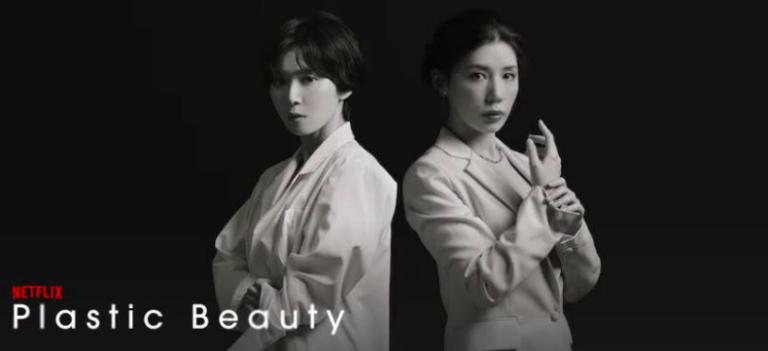
A new Netflix Japanese series dissects the most debated issue of contemporary society: cosmetic surgery. Plastic Beauty follows, through 8 episodes, how Fumi Numata (Mayu Matsuoka), a gifted surgeon focused on saving lives, has to switch to cosmetic surgery confronting herself with the director of the beauty clinic she works for, Rin Tohyama (Riisa Naka).
This gripping drama portrays how going to the cosmetic surgeon, in this era, has become as frequent as going to the hairdresser, no matter the age or nationality. The series set in Japan, builds around this phenomenon the exploration of existential themes that transcend aesthetics. Professional rivalries, dysfunctional families, bullying, seeking acceptance and a sense of belonging are the true protagonists, that intertwine with several stories of cosmetic intervention and the way it affects the psychology of each patient.
The direction of Yuki Saito is compelling and emotional, enhanced by Yohei Tateishi’s cinematography. Towards the end, Plastic Beauty becomes a little soap-operatic, perchance screenwriter Junya Ikegami exceeds in the melodramatic touch. However, when it comes to the actual finale, it stabilises the balance between characters and goes full circle with all the circumstances traversed by the protagonists.
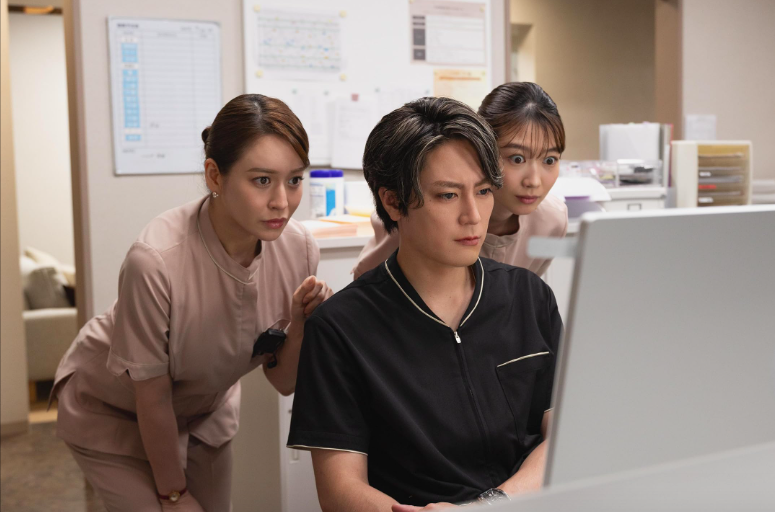
Throughout the series family secrets are unveiled, that explain the childhood traumas of certain characters. The deontology of plastic surgery is very well confronted, by showing two sides of the same coin. At times the health of patients should prevail, for instance when implants might put their lives at risk. Other times, improving the appearance of someone (with medical procedures carried out in safety), may bring relief and happiness to patients who have a short time to live. There are characters who also carry the weight of procedures gone wrong. As much as there are characters who bear the burden of looking at themselves in the mirror with dismay, until cosmetic surgery restores their peace of mind.
The entire cast (Mayu Matsuoka, Riisa Naka, Shotaro Mamiya, Minami Tanaka, Riku Hagiwara, Mijika Nagai, Daichi Watanabe, Reiji Nakagawake, Kavka Shishido, Yu Shirota, Naozumi Masuko,Sose Takeda, Rika Izumi, Kentaro Tamura, Eisuke Sasai, Hana Amano, Hina Kagei, Naoko Ken, Kayo Noro, Rin Furukawa, Yumi Adachi, Shunsuke Kazama, Koki, Hiromi Nagasaku, Atsuro Watabe) brilliantly brings to life the multifaceted perspective on cosmetic beauty, whether it can be a form of addiction caused by a body dysmorphic disorder or a source of salvation. Editor Kazuma Yano provides the perfect frantic pace of our fast-consuming society, with people trying to keep up with our times, one social media story after the next. Teenagers want to boost their following, the elderly chase a lost youth, rampant adults are overwhelmed by hyper-productivity.
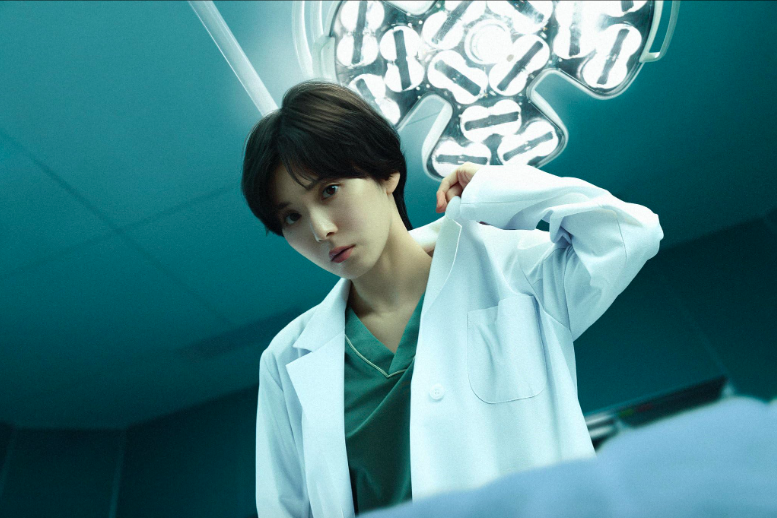
Plastic Beauty effectively breaks the taboo of cosmetic surgery, and shows an all encompassing view on the topic. It has boomed, perhaps to an excess. Yet aesthetic retouching may also improve the lives of the discontent. And this is the conclusion that will be drawn by the firmest of skeptics in the series, who will remain faithful to medical ideals whilst understanding that this practice doesn’t necessarily have to be vilified. As the ancients said “in medio stat virtus,” that is to say virtue can be found in the middle of two extremes.
Final Grade: B+
Photo Credits: IMDb