

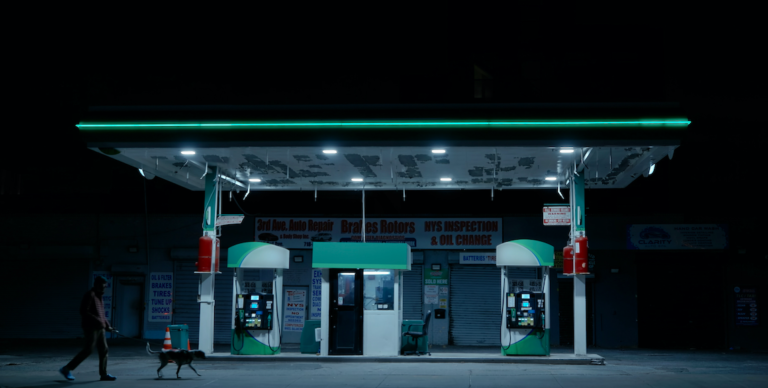
The gaze of second-generation immigrants captures the plight of its forbearers. This is what film director Karla Murthy projects in her documentary The Gas Station Attendant.
Through the use of footage from home videos and old recorded tapes, the director and Emmy-nominated producer who began her career working for several news programs on PBS, finds herself in the position of reporting the most complex story of all, that of her family. Indian father, Filipino mother, three sisters of which one her twin; then a Filipino stepmother and two stepbrothers. Karla’s blended family had the United States as a reference point, although they changed several cities and homes while growing up. She and her siblings lived the life of the first-generation of Americans in their family.
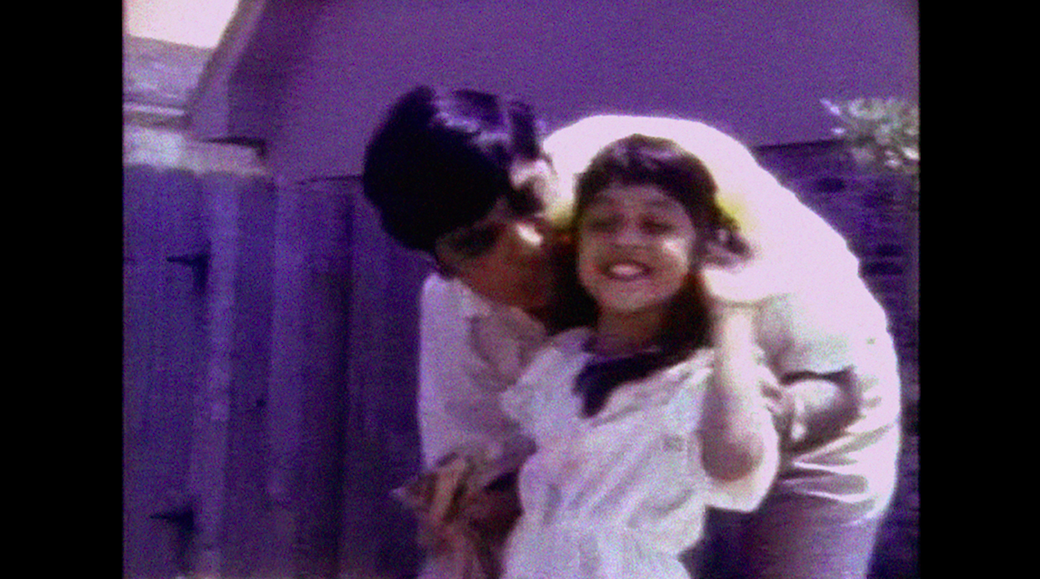
The story of her father was quite different. As a young boy, H.N. Shantha Murthy ran away from home to escape the extreme poverty of his Indian village. He travelled across India in search of work, wishing that one day his life would change. When hope seemed lost, circumstances changed, following a serendipitous encounter with a Texan couple. With a sponsored visa, he travelled to the USA, but life in the star-spangled nation did not turn out to be the parable of the American Dream. One professional failure after the next the patriarch of the family continued in his struggle. His debts were eventually solved by his daughter, and the two were gradually torn asunder. When the father tried to reach out to re-establish a shattered rapport, Karla — having to focus on her own family — missed the chance to mend the relationship. Thus, the cinematic art form became the way to stitch together the broken pieces of the life and family of a gas station attendant.
What emerges is an intimate love letter that becomes a universal reflection on the families of the immigrant working class. It shines a light on all the invisible people working nights to keep the world running — like the Nepalese man in his twenties who worked at a convenient store close to where the Murthy family lived and was killed during a robbery. Karla and Shantha represent two different nomadic stories. They are different typologies of migrants. One left home at 10 years old and ended up in a foreign land, the other left the nest at 18 years old, staying within the same nation. They are two sides of the same cultural phenomenon.

The Gas Station Attendant, offers a time capsule experience for viewers who have the opportunity to admire India of the mid-20th century, through the cities her father explored from Bangalore to Mysore. Also the America of the Seventies is imprinted on film, with views of Quail Valley East in Missouri City. Despite the hardships, the director remembers a loving childhood, where her parents’ efforts would always strive to offer her the opportunities they had at hand, like the piano lessons and the many travels experienced as a family. In fact, when Karla visited India and the Philippines as a teenager, her take away message was that “it’s a time traveling gift to see your parents in the places that made them.”
The cinematic meditation that explores a complicated father-daughter relationship is universal and encapsulated in an article mentioned in the film, titled Family stories aren’t fairy tales — but kids still need to hear them. Behind parenting there are fallible human beings, this is why, “Stories are a way of presenting family history, but more importantly they create a sense of continuity and resilience, they build a framework to understand painful experiences and celebrate joyful ones.”
Final Grade: B
Check out more of Chiara’s articles
Photos Courtesy of Greene Fort Productions