

ⓒCourtesy of Toei
Contending with the fear of love, vulnerability and emotional connection is a leading relatable motivator in the comedy-drama genre aimed at adults. That realistic inspiration is the foundation of the new animated Japanese movie, Cherry and Virgin. The ambitious animated feature focuses on two isolated artists searching for intimacy as they explore. In the process, the protagonists learn about the uncertainty of adult relationships through a deeply personal and emotionally honest perspective.
Through its extraordinary range of animation techniques, the movie transforms internal struggles into striking visual expression. The result is an intimate, innovative and deeply human portrait of two people learning to overcome their fears.
Masanao Kawajiri made his feature film directorial debut on Cherry and Virgin. The feature comes after he received praise for writing and helming the 2018 animated short, A Japanese Boy Who Draws. Misato Kaga wrote the new project, which features the voices of Takashi Okado and Yaeko Kiyose.
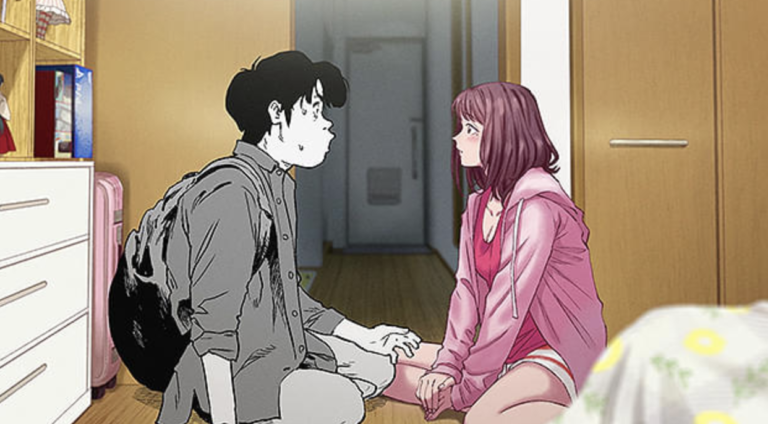
Cherry and Virgin follows Ami Enomoto and Ryo Honda (Kiyose and Okado), two artists nearing their thirties. Ami works as a commercial illustrator, while Ryo creates erotic manga. Despite their creative confidence, both struggle with personal insecurity and romantic inexperience. Their unexpected connection through a dating application begins a complicated journey toward intimacy.
Kawajiri avoided presenting romance as a polished fantasy. Instead, he examined the uncomfortable realities behind emotional connection. Ami and Ryo approach each interaction with anxiety, honesty and self-doubt. Their conversations reveal two people searching for acceptance while fearing rejection.
That emotional foundation allows Cherry and Virgin to rise beyond conventional romantic comedy. The movie finds humor in uncomfortable situations without humiliating its characters. Kawajiri treats their struggles with empathy and surprising tenderness. The result is a relationship story built around authenticity rather than idealized romance.
The filmmaker’s greatest achievement is his ability to merge narrative and visual experimentation. The dramedy constantly evolves stylistically, reflecting the internal worlds of its protagonists. Kawajiri uses animation as a psychological tool rather than simply a storytelling format.
ⓒCourtesy of Toei
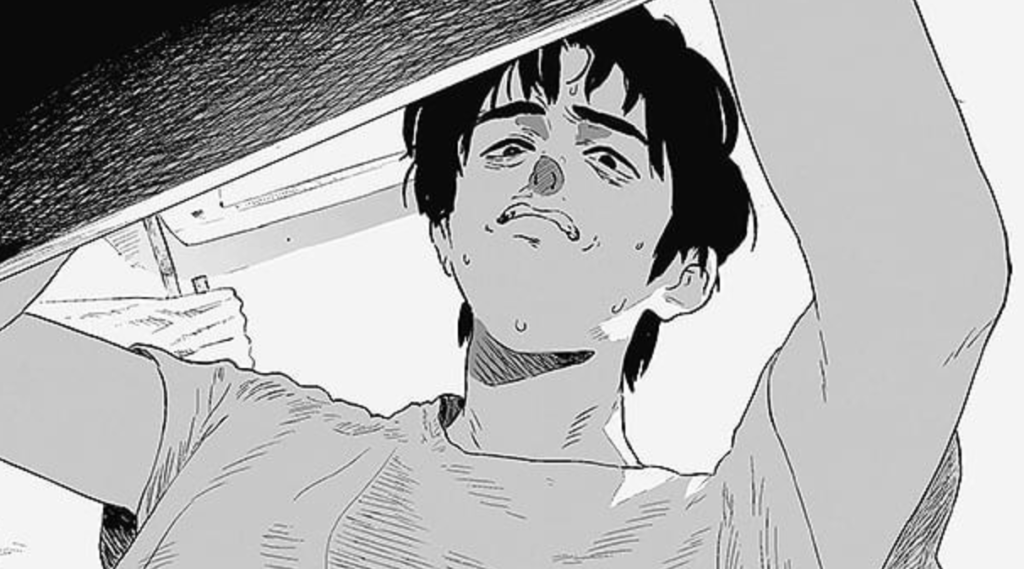
The production combines rotoscoping, traditional animation, manga imagery, CGI and live-action footage. These techniques create a constantly shifting visual experience. Each artistic transition reveals another emotional layer within the characters. The movie’s formal experimentation remains purposeful throughout its runtime.
Rotoscoping serves as one of the film’s most impressive technical achievements. The animation draws from performances by the voice cast, creating natural movement and expression. Characters appear physically authentic despite their stylized appearances. Their gestures and reactions carry emotional weight because they feel grounded in human performance.
The voice work significantly strengthens the emotional impact in Cherry and Virgin. Okado delivers a sensitive performance as Ryo. The actor captures the character’s insecurity while maintaining his underlying warmth. Ryo’s vulnerability becomes compelling because the actor avoids exaggerated comedic interpretation.
Kiyose brought equal depth to Ami. The actress’ performance balances confidence, uncertainty and emotional openness. As a result, she created a female protagonist who’s just as complicated and relatable as her male counterpart, which amplifies the story’s romantic appeal.
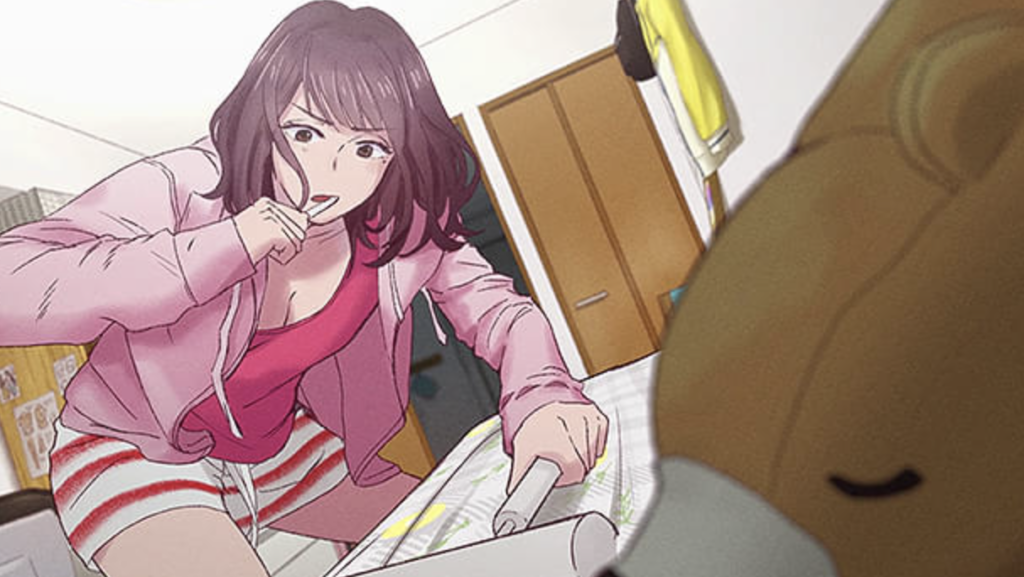
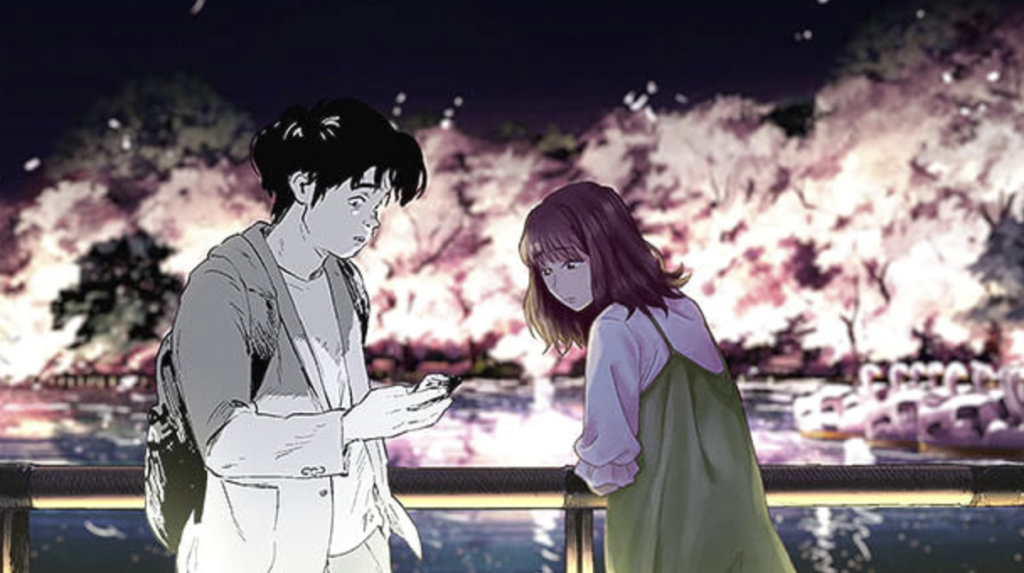
The character design represent another major artistic achievement. Ryo appears through a black-and-white pencil-inspired style. His appearance reflects his reserved personality and complicated inner life. Ami, meanwhile, receives a colorful design closer to traditional anime aesthetics. Their contrasting appearances immediately establish their different emotional perspectives.
Those visual differences eventually become essential storytelling elements. Kawajiri uses animation style to represent personal growth and emotional connection. As Ami and Ryo become closer, their separate visual identities begin interacting in meaningful ways. The movie turns design choices into narrative developments.
Production designer Katsuya Takayanagi’s work gives Ryo a distinctive visual identity. The design for Ami, meanwhile, creates an effective contrast between both characters. Mick Maeda’s image boards and color design further enhance the dramedy’s expressive qualities. Together, these contributions create a richly detailed animated world.
ⓒCourtesy of Toei
The backgrounds demonstrate the same level of attention as the character animation. Everyday locations receive remarkable detail and atmosphere. Apartments, workplaces and public spaces feel authentic and lived-in. These environments support the emotional realism beneath the film’s experimental surface.
Although Cherry and Virgin embraces unconventional techniques, its cinematic language remains remarkably controlled. Kawajiri demonstrates a strong understanding of framing, pacing and visual composition. The movie’s perspective frequently places audiences inside the protagonists’ emotional experiences.
The animation’s movement is equally impressive. Rotoscoped sequences provide fluidity and natural physical interaction. Quiet gestures become meaningful moments of character development. Even the smallest movements contribute to the dramedy’s emotional storytelling.
The film’s shifting aesthetics also create opportunities for unexpected humor. Kawajiri plays with animation conventions while maintaining affection for the medium. A recurring use of CGI as a creative experiment highlights the filmmaker’s willingness to challenge expectations.
The story also explores Japan’s manga industry through Ryo’s professional experiences. The movie finds comedy within creative communities and workplace realities. However, those observations never distract from the central romance. They instead expand the world surrounding its characters.
Cherry and Virgin becomes especially powerful because it recognizes the difficulty of maintaining relationships. The dramedy understands that emotional intimacy requires more than attraction. Trust, patience and vulnerability become the foundation of lasting connection.
ⓒCourtesy of Toei
Kawajiri’s background as a celebrated short animation director informs every frame. He relied on A Japanese Boy Who Draws to expand Cherry and Virgin‘s artistic ambitions into feature-length storytelling.
The new film marks an impressive commercial feature debut for Kawajiri. He demonstrates confidence in combining experimental animation with accessible emotional themes. His direction balances artistic risk with genuine audience connection.
Ultimately, Cherry and Virgin succeeds because its innovation always serves its characters. The movie’s visual creativity enhances rather than overwhelms its emotional storytelling. Kawajiri creates a romance that feels unconventional yet immediately recognizable.
The dramedy captures the awkwardness of seeking love in a disconnected world. It celebrates imperfect people searching for meaningful relationships. Through bold animation and compassionate storytelling, Kawajiri creates something genuinely distinctive.
With its extraordinary craftsmanship, expressive performances, and fearless artistic approach, Cherry and Virgin stands among the most memorable animated films of its kind. Kawajiri’s feature debut announces a filmmaker with a unique voice and remarkable creative vision. It is an emotionally rich portrait of connection, insecurity and the courage required to let another person truly see you.
Cherry and Virgin had its World Premiere on July 18 during the Animation Plus section at the Fantasia International Film Festival. The screening included a Q&A with Kawajiri.
Overall: A
If you like the review, share your thoughts below!