


©Courtesy of Netflix
The most compelling music documentaries don’t thrive on just hit singles or chart peaks. Like the artists themselves, the biographical projects flourish on journeys of survival, reinvention and the lasting bond between an artist and the generations who grow up listening to their music. That’s certainly true with Netflix’s three-part docuseries, Kylie, which is far more than just a standard celebrity retrospective.
Emmy and BAFTA Award-winner Michael Harte directed the project. Oscar-winner John Battsek produced the documentary for acclaimed creative production studio, Ventureland.
Kylie delivers an intimate, emotionally textured portrait of the titular Australian singer-songwriter. The series chronicles how her career has not only endured, but has continually evolved across four decades of popular culture.
Minogue opens her personal archives and reflects on a life that captivates, inspires and soundtracks multiple generations. Leaning into a lifetime caught on home movie cameras, personal photographs and new interviews with the musician herself, it also shows the woman behind the hits – and how she has faced public scrutiny, personal loss and illness with grit and grace, earning respect far beyond her own fandom.

©Courtesy of Netflix
From its opening moments, Kylie establishes a tone that feels deeply personal as it leans heavily into home movie footage, candid archival recordings, personal photographs and reflective interviews. This stylistic choice becomes one of the project’s greatest strengths.
The filmmakers don’t treat the archive material as nostalgic filler; instead, they weave it into the storytelling with remarkable care. That approach creates a living timeline of Minogue’s transformation from teenage soap star to global pop icon.
The editing throughout the three episodes is exceptional. Harte and his editorial team demonstrate a masterful sense of rhythm, balancing emotional vulnerability with moments of exhilaration and humor. The transitions between eras are fluid and musically driven, often allowing songs to bridge emotional and historical shifts in the Grammy singer’s life.
One particularly impressive aspect of the editing is how seamlessly the documentary connects the public image of the performer with the private woman behind it. Concert footage dissolves into quiet backstage moments, while tabloid headlines give way to intimate recollections. The effect is powerful because it constantly reminds viewers how much of Kylie’s life has unfolded under public scrutiny.
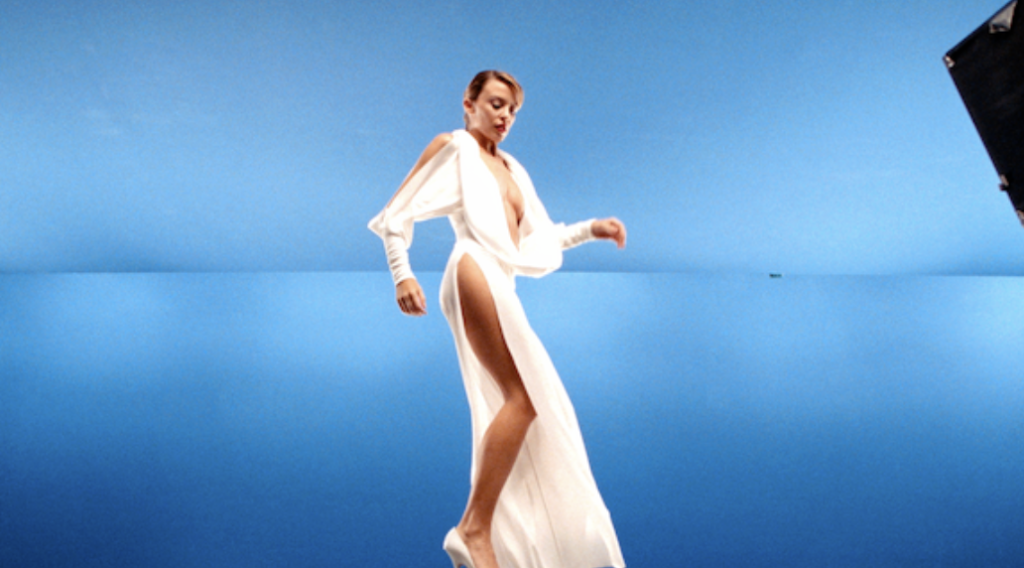
The score and musical supervision deserve enormous praise as well. Naturally, Minogue’s own catalog forms the emotional backbone of the series, but the documentary avoids simply turning itself into a greatest-hits playlist.
Instead, songs are carefully positioned to underscore emotional beats and thematic shifts. Tracks that audiences may associate purely with dancefloor euphoria are recontextualized through the lens of heartbreak, ambition, illness, reinvention and survival. The score subtly amplifies these moments without overpowering them, creating an atmosphere that feels reflective yet celebratory.
©Courtesy of Netflix
There are sequences where the music and editing work in such harmony that the serues briefly feels almost dreamlike. That’s particularly true during montages covering the height of Minogue’s late-1980s fame and her artistic rebirth in the 2000s.
What makes Kylie especially compelling is its interview style. Harte approaches his subject with patience and empathy, allowing conversations to unfold naturally rather than forcing dramatic revelations.
Minogue herself comes across as remarkably self-aware, candid and emotionally intelligent. She speaks openly about fame, insecurity, relationships, illness, aging in the music industry and the psychological cost of constantly being perceived through a public lens. There is an honesty in these interviews that gives the documentary genuine emotional weight.
Importantly, the series avoids portraying the musician as untouchable pop royalty. Instead, it presents her as someone who has repeatedly had to fight for artistic legitimacy and personal dignity.
For years, critics underestimated her, dismissing her as lightweight or manufactured despite her immense commercial success and cultural influence. The project addresses this tension thoughtfully, illustrating how Minogue quietly but consistently reshaped expectations around longevity in pop music. In doing so, the documentary becomes not just a portrait of one performer, but also a reflection on how women in pop culture are judged, commodified and frequently underestimated.
The supporting interviews add richness and perspective throughout the series. The artist’s younger sister, Dannii Minogue provides some of the project’s warmest and most revealing moments, grounding Kylie’s superstardom within the context of family life. Their relationship emerges as one of the emotional anchors of the project.
Jason Donovan, who co-starred with the titular singer on Neighbours, offered insight into the frenzy surrounding the musician’s early fame. Record producer-songwriter Pete Waterman, meanwhile, reflected on the industrial machinery of late-1980s pop.
Particularly fascinating are the contributions from singer-songwriter Nick Cave. His collaborations with Minogue represented a major turning point in how critics and audiences perceived her artistic credibility.
These interviews never feel like obligatory celebrity cameos. Each contributor helps illuminate a different phase of Minogue’s evolution.
Kylie‘s use of archival footage is among the finest seen in recent music documentaries. The new series emphasizes the emotional power of visual history. Grainy camcorder recordings, rehearsal clips, television appearances, backstage moments and press interviews are assembled with remarkable sensitivity.

©Courtesy of Netflix
Rather than simply illustrating events, the footage captures changing eras of media culture itself from tabloid television and paparazzi obsession to the rise of digital celebrity. Watching the musician navigate these shifts over decades becomes a compelling cultural history lesson in its own right.
One of the project’s strongest achievements is how effectively it contextualizes Minogue’s cultural and historical significance in music. Many artists achieve commercial success; far fewer sustain relevance across multiple generations while continually adapting to changing musical landscapes.
Minogue’s career spans the transition from physical singles to streaming, from MTV dominance to social media virality, from tightly controlled pop branding to more self-authored artistry. The series recognizes that her endurance is not accidental. It stems from her unusual ability to evolve while remaining emotionally recognizable to audiences.
The project also highlights the eponymous musician’s profound importance within LGBTQ+ culture and global pop fandoms, though it does so with subtlety rather than performative overstatement. The joy, escapism, glamour and emotional openness embedded in her songs created spaces of connection for millions of listeners worldwide. The documentary repeatedly returns to the idea that Minogue’s music has soundtracked people’s lives, and by the final episode, that statement feels undeniably true.
Equally moving is Kylie‘s treatment of her breast cancer diagnosis and recovery. Rather than sensationalizing the experience, the performer approaches this chapter with dignity and emotional restraint.
The artist discusses the fear, vulnerability and reevaluation of identity that accompanied illness. Those moments become some of the documentary’s most affecting scenes. The emotional honesty here reinforces one of the central themes of the series: Minogue’s ability to endure without bitterness.
Visually, Kylie is stunning throughout. The color grading and restoration work on archival material are meticulous, while contemporary interview setups are elegant without appearing artificial. Every visual decision is carefully calibrated to preserve intimacy and emotional authenticity.
Ultimately, Kylie succeeds because it understands its subject beyond surface-level iconography. This is not merely a documentary about fame or pop music. It is a meditation on endurance, reinvention, vulnerability and grace under relentless public observation. Harte and the Ventureland team have crafted a docuseries that honors Minogue’s immense cultural legacy while also revealing the deeply human figure beneath decades of performance and projection.
©Courtesy of Netflix
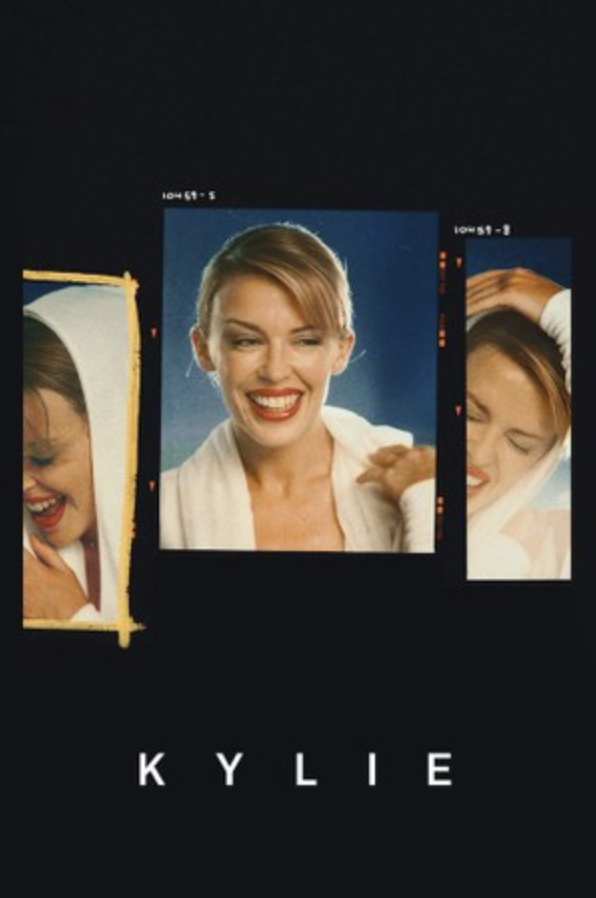
Kylie is now streaming on Netflix.
Grade: A-
If you like the review, share your thoughts below!
Check out more of Karen Benardello’s articles.
Here’s the trailer of the film.