

ⓒCourtesy of Japan Cuts
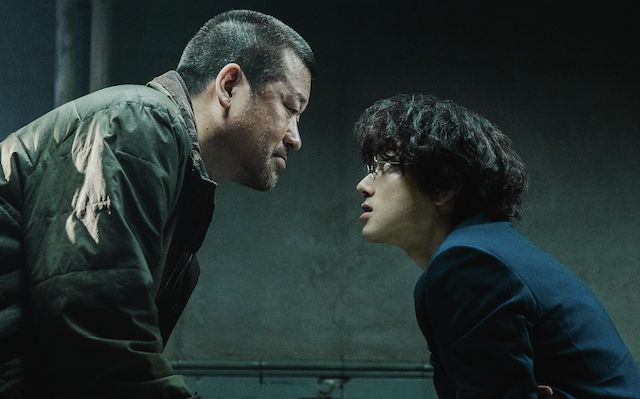
Tagosaku Suzuki is the most dubious psychic since Uri Geller pretended to bend spoons with his mind. However, Suzuki’s deception involves life and death ramifications, because casualties will surely result from the bombings he pretends to have fuzzy precognitive visions of. The police know he must be an accomplice, but they must play his verbal sparring games to glean clues as to where the next hourly explosion might happen in Akira Nagai’s Japanese blockbuster Suzuki=Bakudan, which had its American premiere at this year’s Japan Cuts.
Det. Todoroki assumed he had been assigned the thankless task of interviewing a homeless drunk arrested on disorderly charges, because he has been the department’s punching bag for reasons to be revealed later. However, when the creepy Suzuki claims to have a vague psychic premonition of a bombing in downtown that soon comes to pass, profilers from police headquarters quickly take over his case. However, the new junior interrogator, who refers to himself as “just Ruike,” seems to value Todoroki’s perspective and promises to keep him in the loop.
While Ruike’s senior partner, Teruji Kiyomiya, has considerable experience, Suzuki constantly frustrates him with his word games and his hidden logic puzzles (similar in nature to the climatic questions on the 1% Club). As the hours tick by and some (but not all) bombs explode undetected, Ruike tags in for his boss, recognizing his Gen Z nihilism might have an edge over old school professionalism.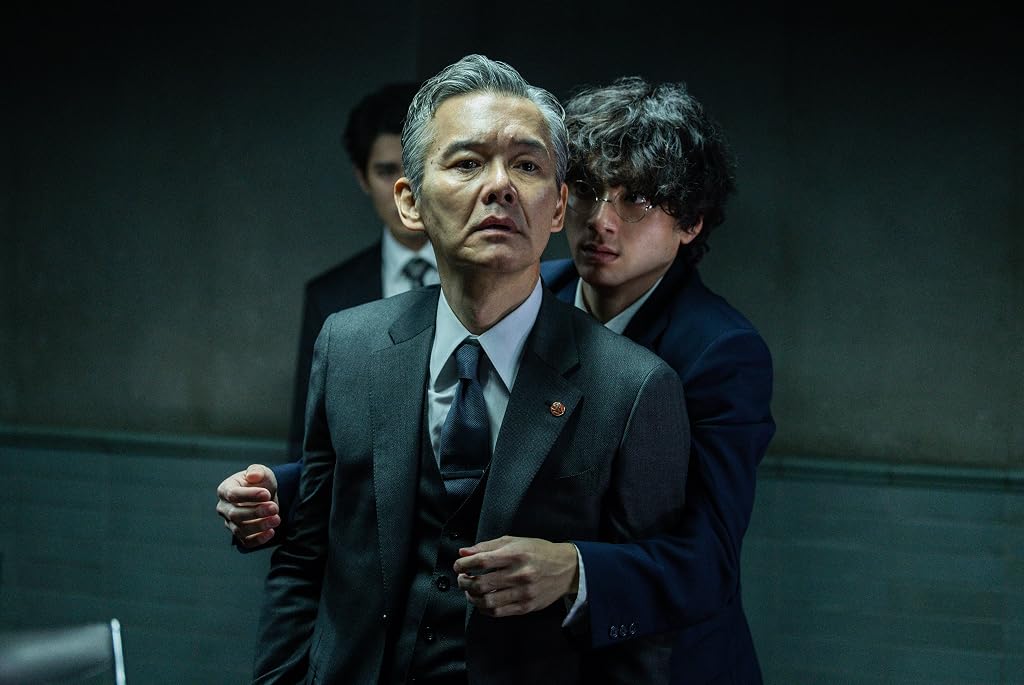 Ruike proves himself a worthy adversary. In fact, the somewhat disheveled detective should please fans of “L” from the Death Note franchise and Totono Kuno in the Don’t Call it Mystery TV series and film. The wordplay and mind games are jolly entertaining, even though the stakes are grimly serious.
Indeed, the best sequences involve Jiro Sato’s Suzuki squaring off against Yuki Yamada and Atsuro Watabe, as Ruike and Kiyomiya. Nevertheless, Nagai skillfully balances the interrogation room chess matches with the police investigation outside. 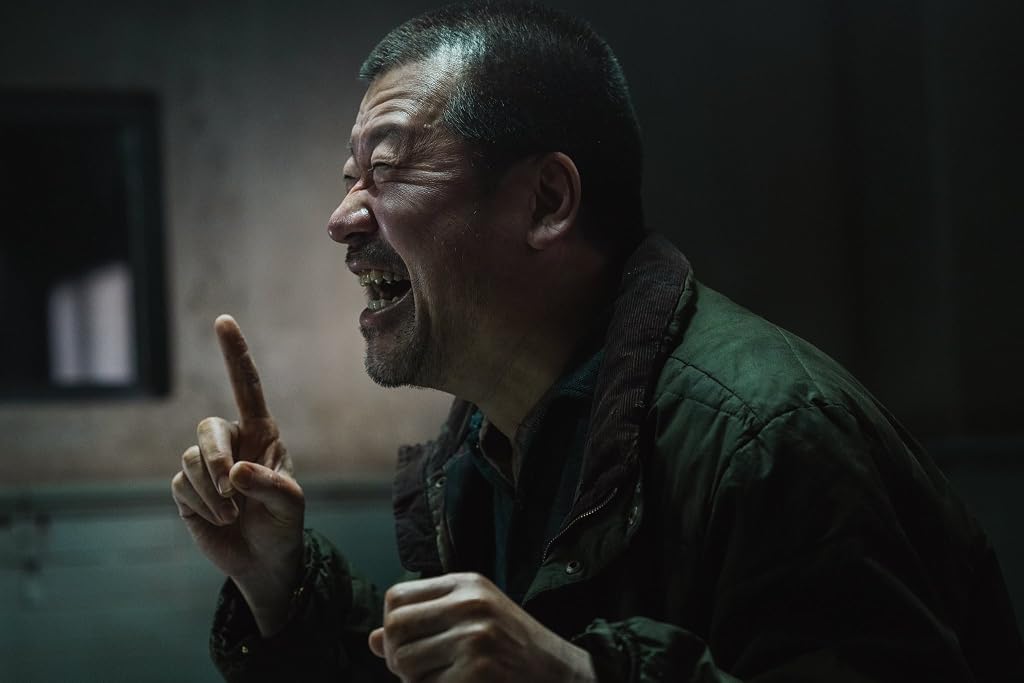
ⓒCourtesy of Japan Cuts
As Todoroki, Shota Sometani is also credibly dogged and disillusioned pursuing the truth, which seems to somehow involve the family of his late mentor, Ishikawa, who committed suicide after a lurid scandal ended his career. Screenwriters Masahiro Yamaura and Hiroyuki Yatsu’s adaptation of Katsuhiro Go’s novel turns into quite a dark and thorny morality tale. Sometani plays an instrumental role illuminating many of those shadowy corners.
Frankly, Suzuki=Badukan has all the elements to become the next hot property for international remakes. Its fundamental DNA building blocks should translate relatively easily to other countries. However, the tricky part will be finding an equal to Jiro Sato, who can portray evil cunning in a slovenly package, with such riveting intensity. He truly radiates sinister vibes.
Yet, the balance of big macro shock-and-awe versus the micro-level interrogation room drama really distinguishes the film from other thrillers. There are a lot of twists, which constantly raise the ante. Much like the series 24 in its prime, viewers quickly learn they can never assume things will work themselves out during the film. Consequently, there is genuine tension and suspense. Enthusiastically recommended for fans of high-concept thrillers, Suzuki=Badukan will definitely continue generating buzz on the festival circuit, following its premiere at this year’s Japan Cuts.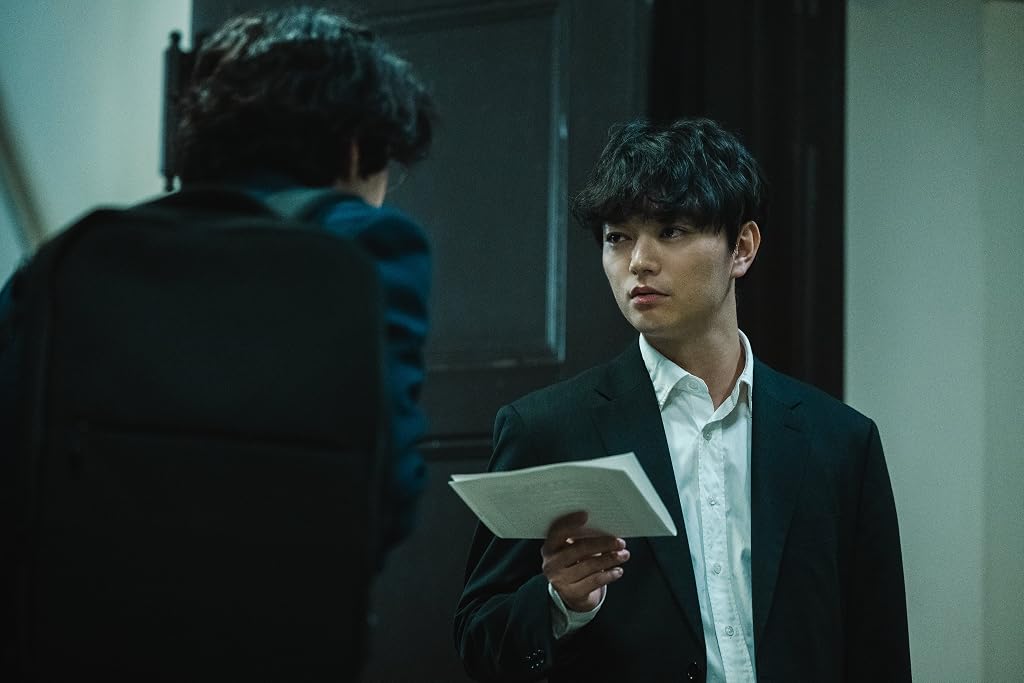 ⓒCourtesy of Japan Cuts
Grade: A
If you like the review, share your thoughts below!
Check out more of Joe’s Articles.
Here’s the trailer of the film.
「adsense]